
Why Doesn’t My Wig Last Long? 11 Reasons Your Wig Wears Out Too Fast—and How to Make It Last Longer

Why Can Two People Buy the Same Wig, Yet One Still Looks Beautiful After Two Years While the Other Looks Worn Out in Just Three Months?
Most people assume a wig’s lifespan depends almost entirely on its price.
It sounds logical.
Spend more.
Get better hair.
Enjoy it longer.
Yet anyone who has worn wigs for a while knows that’s rarely how the story goes.
I’ve met women whose premium virgin human hair wig lost its softness within a season. I’ve also met women still wearing the same body wave wig years later—and it still moves naturally when they walk.
The difference usually isn’t luck.
It isn’t even genetics.
Most of the time, it comes down to dozens of tiny habits that slowly affect the hair fiber every single day.
Your wig doesn’t suddenly “go bad.”
It wears out one brush stroke…
one hot styling session…
one rushed wash…
one night of sleeping in it…
…at a time.
Once you begin looking at your wig the same way you would a favorite cashmere sweater instead of a disposable fashion accessory, everything changes.
Today we’re going beyond the obvious advice.
Let’s look at the hidden reasons wigs age faster than expected—and, even better, what you can actually do about them.
Reason #1: You’re Treating Hair Fiber Like It Can Repair Itself
One of the biggest misunderstandings about wigs is surprisingly simple.
People expect hair to heal.
Our own scalp constantly grows new strands.
Hair follicles receive nutrients.
Natural oils travel down the shaft.
A wig has none of those advantages.
Whether you’re wearing a lace front wig, a HD lace wig, a glueless wig, or a classic 13×4 lace wig, every strand has already finished its life cycle before it reaches you.
Once damage happens…
there is no biological repair.
That’s why small habits matter so much.
Heat doesn’t just make hair smoother.
It changes protein structures.
Repeated friction slowly lifts the cuticle.
Harsh shampoos gradually remove moisture stored inside the cortex.
Eventually, the cuticle becomes rough enough that neighboring hairs begin catching each other.
That’s when you notice:
- dryness
- tangles
- dullness
- shedding
- split ends
They aren’t separate problems.
They’re different stages of the same aging process.
Many first-time wig owners don’t realize this until it’s already happened.
If you’re interested in understanding why hair gradually becomes rough before serious tangling begins, this guide explains the process in much more detail:
Why does my wig knot so easily?
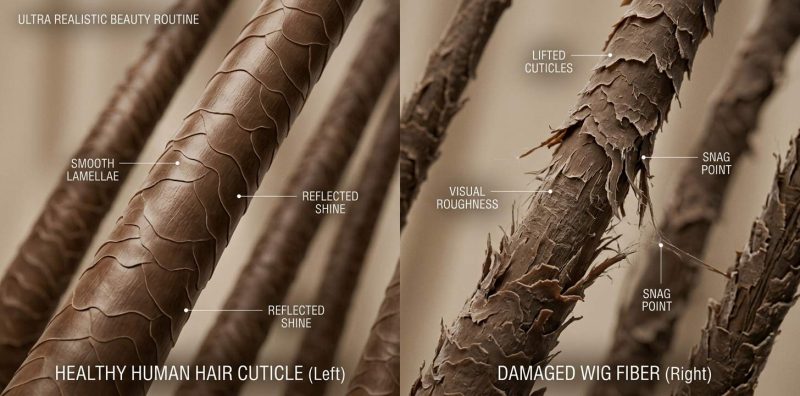
What actually happens inside the hair?
Think of healthy cuticles like roof shingles.
Each layer lies neatly over the next.
Light reflects evenly.
Hair feels silky.
As friction increases—from backpacks, scarves, cotton pillowcases, or frequent brushing—those tiny scales begin lifting.
Once they stay open:
- moisture escapes faster
- friction increases
- knots form more easily
- styling becomes harder
- breakage accelerates
That entire cycle often starts weeks before you notice anything visually.

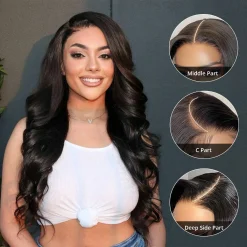
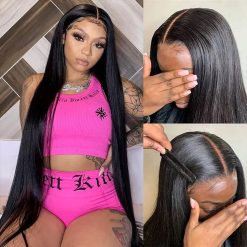
glueless wigs
High Quality Straight Glueless Human Hair Wigs Natural Hairline Lace Front Wigs Human Hair
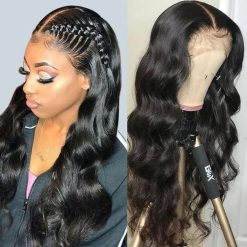
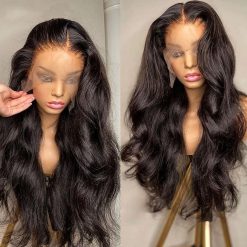
HD lace wigs
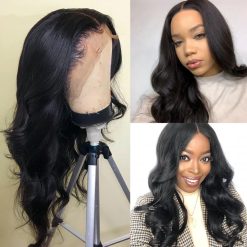

13x6 Lace Front Human Hair Wig
Reason #2: Washing Too Often Can Age Your Wig Faster Than Wearing It
This surprises almost everyone.
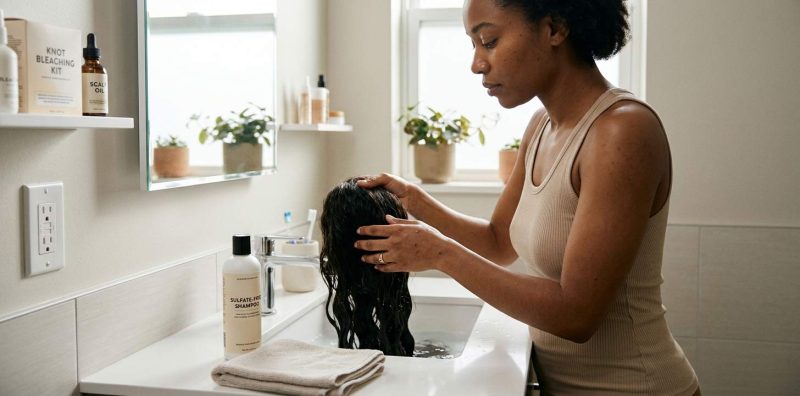
Many people wash a wig because they want it to stay fresh.
Ironically, excessive washing often shortens its lifespan.
Unlike natural hair, wigs don’t produce oil.
So there isn’t much to remove in the first place.
Every wash exposes hair to:
- water swelling
- shampoo surfactants
- conditioner rinsing
- towel friction
- drying stress
Imagine soaking a silk scarf every few days.
Eventually the fabric loses its smoothness.
Hair behaves similarly.
Human hair wigs generally need washing only after about 8–12 wears, depending on climate, sweat, styling products, and daily activity.
Synthetic wigs often require even less frequent washing because synthetic fibers don’t absorb oils the same way.
Signs you’re overwashing
Your wig may become:
- fluffy instead of sleek
- increasingly dry near the ends
- harder to detangle
- slower to hold curls
- more difficult to style consistently
Many people assume they need more conditioner.
Sometimes they simply need fewer wash days.
Reason #3: Heat Styling Doesn’t Just Style Hair—It Changes It
Few styling tools are as satisfying as a flat iron.
One slow pass…
Instant shine.
Instant smoothness.
But underneath that polished finish, microscopic changes are happening.
Hair is made largely of keratin proteins.
Heat temporarily rearranges hydrogen bonds.
Higher temperatures begin affecting stronger disulfide structures.
Repeated exposure slowly weakens those internal bonds.
Once enough structural changes accumulate, hair loses:
- elasticity
- bounce
- moisture retention
- curl memory
That’s why a curly wig may stop springing back after repeated straightening.
Likewise, a straight wig repeatedly curled at high temperatures may gradually lose its sleek movement.
For most human hair wigs:
- 250–300°F (120–150°C): relatively gentle styling
- 300–340°F (150–170°C): suitable for occasional styling
- Above 360°F (182°C): damage risk rises sharply, especially on lightened or chemically processed hair
One high-heat session won’t necessarily ruin a wig.
Hundreds of them quietly will.
Real Case: Monica’s Weekend Routine
Monica, a 42-year-old nurse in Atlanta, loved changing hairstyles every weekend. She rotated between loose curls for brunch, sleek straight hair for work, and beachy waves for date nights. To save time, she styled her wig with a flat iron at nearly 400°F each Friday without using a heat protectant.
After about five months, she noticed the ends becoming rough. The curls no longer bounced back, and the hair looked dull under daylight, even though it still felt soft indoors.
When she lowered the styling temperature, began using a heat protectant, and limited heat styling to once every two weeks, the condition stabilized. Although the damaged ends couldn’t be restored, the remaining hair stayed healthy enough to extend the wig’s wearable life by many additional months.
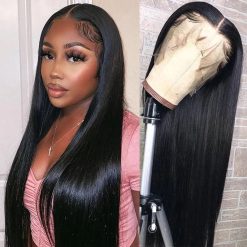
If you’re choosing a wig designed to reduce daily styling time, browsing different wear-and-go styles can make a noticeable difference.
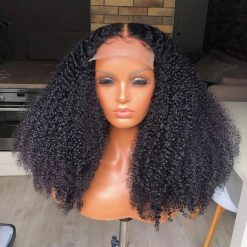
Instead of repeatedly reshaping the hair, many women now prefer naturally textured options available in the wigs collection

glueless wigs


HD lace wigs
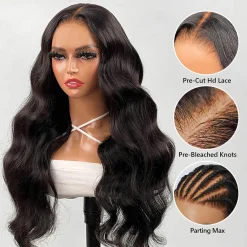
Pre-bleached Knots Straight HD Lace Frontal Wig 180% Density 6×5 Pre-cut Lace Wear & Go Glueless Wig

HD lace wigs

Reason #4: The Way You Store Your Wig Matters More Than Most People Think
There’s a quiet moment at the end of every day when your wig’s future is decided.
You take it off.
Then what?
Some women gently place it on a canvas block head.
Others fold it into a drawer.
Some toss it onto the bathroom counter beside a curling iron, makeup remover, and damp towel.
It seems harmless.
But wigs spend far more hours being stored than being worn. That means poor storage can quietly cause more damage than daily use.
Unlike living hair, a wig cannot recover after being compressed for weeks.
Continuous pressure changes the direction of the hair fibers, flattens volume, bends lace, and creates permanent friction points where strands repeatedly rub against one another.
For delicate constructions like a 13×6 lace wig, repeated folding can also weaken the lace edge over time, making future installations less secure.
Storage habits that slowly shorten a wig’s lifespan
Many people unknowingly create these problems:
- Folding the wig inside out
- Leaving it in direct sunlight
- Storing it while still damp
- Hanging it by one clip
- Placing heavy objects on top of it
Each mistake seems minor.
Together, they accelerate aging.
Sunlight deserves special attention.
Ultraviolet rays don’t only fade fabric.
They gradually break down hair proteins, oxidize pigments, and dry the outer cuticle.
That’s why wigs often feel rougher after months of sitting near a sunny bedroom window—even if they were rarely worn.
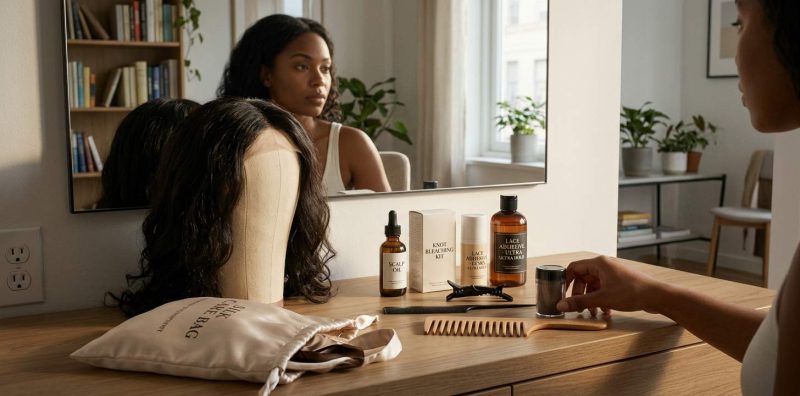
Quick Storage Checklist
Before putting your wig away, ask yourself:
✓ Is it completely dry?
✓ Have I gently detangled the ends?
✓ Is it sitting on a wig stand or inside a satin bag?
✓ Is it away from heaters and windows?
Those thirty seconds may save months of wear.
Reason #5: Friction Is Slowly Eating Away at Your Wig Every Single Day
People often blame shampoo.
Or weather.
Or the manufacturer.
Yet one of the biggest sources of damage never appears inside your bathroom.
It’s everywhere else.
Your coat collar.
Your cotton hoodie.
Your office chair.
Your backpack.
Even your seatbelt.
Hair rubbing against rough fabric creates microscopic abrasion.
You can’t hear it.
You can’t see it.
But your wig certainly feels it.
This explains why the nape area almost always wears out first.
Every turn of your head creates another tiny cycle of friction.
Curly textures—including a curly wig, body wave wig, and naturally textured virgin human hair wig—are even more vulnerable because the curves of each strand create additional contact points.
Four “Giveaway” Dimensions That Reveal Friction Damage
Many women say,
“My wig suddenly looks old.”
Actually, the signs appeared much earlier.
Let’s break them down.
1. Shine Changes
Healthy hair reflects light evenly.
Damaged cuticles scatter light in different directions, making hair appear dull outdoors but oddly shiny under indoor lighting.
2. Ends Become Puffy
Instead of lying together naturally, damaged ends begin separating.
The hairstyle loses weight and movement.
This is especially noticeable on a sleek straight wig.
3. The Nape Mats First
If only the back of your wig tangles while the front remains smooth, friction—not poor quality—is often the real cause.
4. Hairstyles Stop Holding Shape
Loose curls become uneven.
Straight styles develop random bends.
The issue isn’t always styling.
It’s weakened fiber memory.
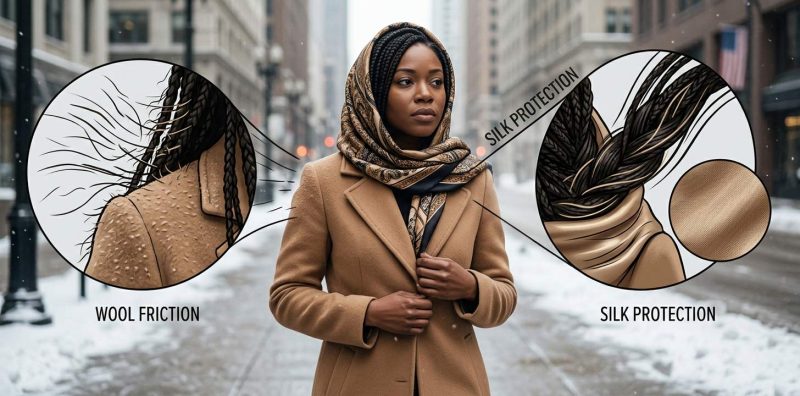
Real Case: Angela’s Winter Surprise
Angela lives in Chicago.
Every winter she wore thick wool coats with oversized scarves.
By February she was convinced her wig had become defective.
The back tangled every afternoon.
The front looked beautiful.
Only the nape felt rough.
Instead of replacing the wig immediately, she switched to silk-lined scarves and started loosely braiding the hair before putting on heavy outerwear.
Within weeks, the tangling slowed dramatically.
The wig hadn’t been “bad.”
Her clothing had simply been creating hours of hidden friction every day.
glueless wigs
High Quality Straight Glueless Human Hair Wigs Natural Hairline Lace Front Wigs Human Hair


13x6 Lace Front Human Hair Wig
Reason #6: Product Build-Up Can Make Healthy Hair Behave Like Damaged Hair
Sometimes the wig isn’t damaged.
It simply can’t breathe.
Every styling product leaves something behind.
Heat protectants.
Edge wax.
Hair sprays.
Dry shampoo.
Leave-in conditioners.
Silicone serums.
Individually, each layer is thin.
After weeks of use, those layers accumulate around the cuticle.
The result?
Hair becomes:
- heavier
- less bouncy
- difficult to curl
- slower to dry
- more likely to collect dust
Many people mistake this for dryness.
Others think they need more oil.
Ironically, adding more products often makes the problem worse.
How to Reset Without Overwashing
Instead of washing your wig every few days, try a gentle reset routine every four to six weeks.
- Detangle the hair from ends upward.
- Use a clarifying shampoo sparingly to remove accumulated residue.
- Follow immediately with a moisturizing conditioner, focusing on mid-lengths and ends.
- Rinse thoroughly with cool water.
- Blot gently with a microfiber towel—never twist or wring.
- Allow the wig to air dry on a wig stand before styling.
This approach removes residue while reducing unnecessary wash cycles.
If your wig has begun to feel unusually heavy or coated, you may also find this related guide helpful:
HD lace wigs
Pre-bleached Knots Straight HD Lace Frontal Wig 180% Density 6×5 Pre-cut Lace Wear & Go Glueless Wig
HD lace wigs


HD lace wigs
Glueless Straight Short Bob Wigs Brazilian Clear Lace 180% Density Hd Closure Wig Human Hair

HD lace wigs

Reason #7: Sleeping in Your Wig Ages It Faster Than Eight Hours of Wearing It During the Day
Have you ever taken your wig off in the morning instead of at night and wondered why it suddenly felt rough?
Many women assume it was yesterday’s weather.
Or maybe they forgot conditioner.
In reality, the biggest source of damage may have happened while they were asleep.
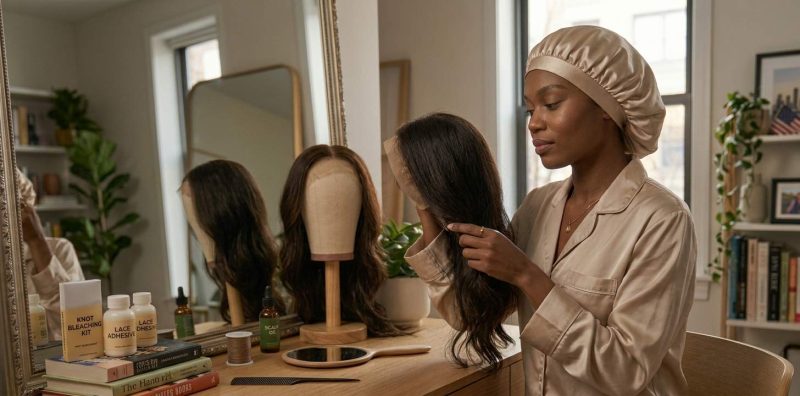
During a typical eight-hour night, your head changes position dozens—sometimes hundreds—of times. Every movement creates friction between the wig and your pillowcase. Unlike walking or sitting, where the hair hangs naturally, sleeping compresses the fibers under constant pressure.
For a lace front wig, this repeated movement can also place stress on the delicate lace edge and gradually loosen the knots that secure individual hairs.
If adhesive is involved, sleeping can also weaken the bond.
Sweat, natural body heat, and nighttime movement slowly soften many forms of adhesion, especially water-based wig glues. As the adhesive weakens, tiny sections of lace begin lifting. Many people instinctively press the lace back down the next morning, unknowingly placing additional stress on the front hairline.
This repeated cycle shortens the lifespan of both the lace and the knots.
Why the Hairline Usually Shows Wear First
The hairline is the most delicate part of almost every wig.
Each strand near the front is individually ventilated into lace using tiny knots.
Those knots are incredibly small.
When the lace is repeatedly bent, stretched, rubbed against pillows, or pulled during removal, the knots gradually loosen.
That is why many older wigs begin thinning at the front while the rest of the cap still looks beautiful.
Protecting the hairline isn’t only about appearance.
It’s about protecting the entire structure holding the hair in place.
Reason #8: The Environment Is Aging Your Wig Even When You’re Not Touching It
Hair responds to its surroundings.
So does your wig.
Humidity.
Dry winter air.
Air conditioning.
Summer UV rays.
Saltwater.
Chlorine.
Even city pollution.
Each environment leaves a different fingerprint on the hair fiber.
Human hair is hygroscopic, meaning it absorbs and releases moisture depending on the surrounding air.
When humidity rises, the cortex swells.
As humidity drops, moisture escapes.
That constant expansion and contraction slowly weakens the cuticle.
This is one reason why women living in Florida often struggle with frizz, while those in Arizona notice dryness instead.
Synthetic wig fibers react differently.
Rather than absorbing moisture, synthetic fibers often build static electricity in dry climates, making them cling together and attract dust.
Neither material is “better.”
They simply age differently.
Different Wig Types React Differently
A Synthetic wig generally requires less daily styling but cannot tolerate repeated high heat unless specifically labeled as heat-friendly.
A virgin human hair wig offers greater styling flexibility, yet its natural protein structure requires more consistent moisture balance.
Textured styles—including body wave wig, curly wig, and wear and go wig constructions—may react differently to seasonal humidity than sleek straight styles.
Understanding those differences helps you adjust your care routine before visible damage appears.
Seasonal Care Guide
Summer
- Protect from direct UV exposure whenever possible.
- Rinse after exposure to saltwater or chlorine.
- Avoid leaving the wig inside a hot car.
Winter
- Increase conditioning slightly.
- Reduce static with satin fabrics.
- Store away from indoor heating vents.
Small seasonal adjustments often add months to a wig’s lifespan.
Reason #9: Small Installation Mistakes Can Lead to Permanent Damage
A secure installation should feel comfortable.
Not tight.
Not painful.
Not restrictive.
Unfortunately, many women believe tighter equals safer.
It doesn’t.
Over-tight wig straps create unnecessary tension across the lace.
Too much glue makes removal harder.
Aggressive peeling stretches delicate lace.
Repeated pulling gradually enlarges lace holes and weakens ventilation knots.
The result?
More shedding.
Thinner density.
Less natural movement.
This becomes especially noticeable with lightweight HD lace wig constructions because their lace is intentionally thinner to disappear against the skin.
That beautiful realism also deserves gentler handling.
Less Force Often Creates Better Results
Professional wig installers often repeat one simple principle:
“The lace should disappear because it fits—not because it’s being pulled.”
A properly fitted cap, correctly adjusted elastic band, and suitable adhesive usually outperform excessive glue every time.
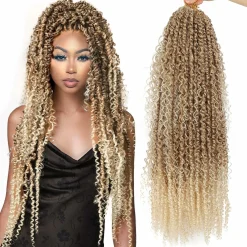
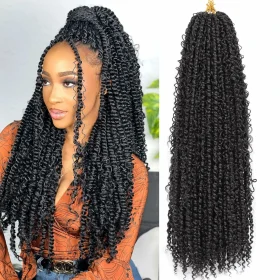
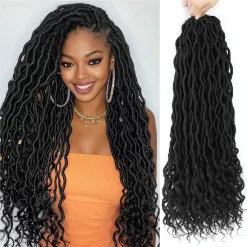
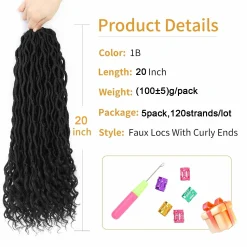
Synthetic Extensions


Synthetic Extensions
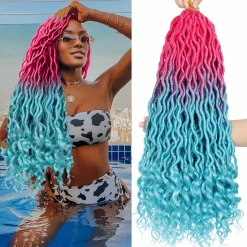
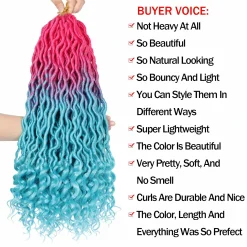
Synthetic Extensions
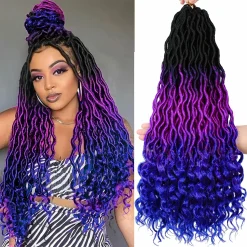
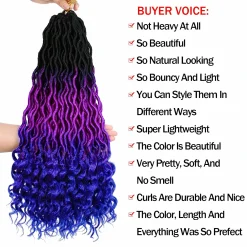
Synthetic Extensions
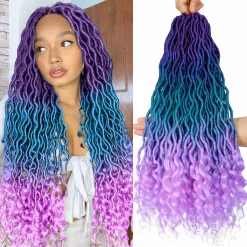
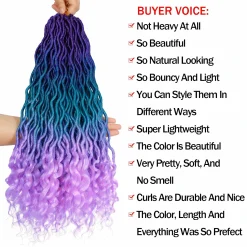
Reason #10: Sometimes the Wig Isn’t Worn Out—It’s Simply the Wrong Wig for Your Lifestyle
This is something many people never consider.
A beautiful wig isn’t automatically the right wig.
Someone who exercises every morning has different needs than someone working remotely.
A nurse working twelve-hour shifts places different demands on a wig than someone attending weekend events.
For example:
A sleek bob wig looks polished but may require more frequent trimming to maintain its sharp silhouette.
A long body wave wig offers incredible movement but experiences greater friction at the shoulders.
A busy parent may appreciate the convenience of a glueless wig or a wear and go wig, reducing daily installation time and repeated handling.
Someone who enjoys changing hairstyles regularly may prefer a durable 13×4 lace wig, while others seeking a wider parting space might enjoy a 13×6 lace wig.
The “best” wig is often the one that asks the least of your daily routine.
Real Case: Tiffany Learned to Match Her Wig to Her Life
Tiffany, a physical therapist in Dallas, loved long glamorous hairstyles.
She purchased a 30-inch straight wig because it looked stunning online.
Three months later she felt disappointed.
The hair constantly rubbed against her uniform.
She tied it up all day.
It tangled at the nape every evening.
Instead of replacing it with another long wig, she switched to a shoulder-length glueless style that suited her active work schedule.
Surprisingly, the second wig lasted nearly twice as long—not because it was more expensive, but because it fit the way she actually lived.
Reason #11: Tiny Daily Habits Always Beat Occasional Deep Treatments
Many people search for miracle products after damage appears.
Deep masks.
Expensive oils.
Protein treatments.
Those products have their place.
But they cannot reverse months of neglect.
Healthy wigs usually come from consistent habits rather than dramatic repairs.
Five minutes of gentle care each day almost always outperforms one intensive treatment every two months.
That simple truth applies whether you’re wearing:
- a lace front wig
- a straight wig
- a curly wig
- a Boho Hair protective style
- Burmese Curl hair
- Passion Twist Hair
- Faux Locs hair
- traditional hair extensions
- colorful braiding hair
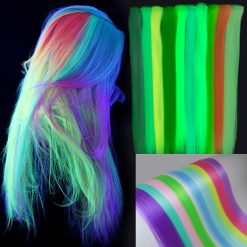
- or even a fun glow in the dark wig for festivals and special events.
Different styles require different maintenance routines, but they all reward consistency.
13x4 Lace Front Wig
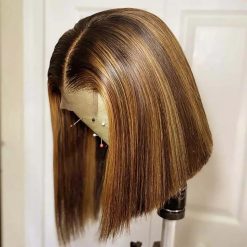
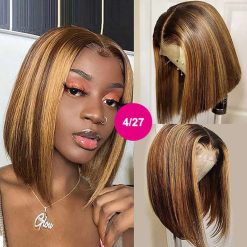
Highlight Bob Wig 13×4 Transparent Lace Front Human Hair Wigs Straight Hair
HD lace wigs
The Simple Wig-Longevity System: What to Do Daily, Weekly, and Monthly
If all of those reasons made you feel a little overwhelmed, take a breath.
You don’t need a bathroom cabinet full of products.
You don’t need to become a wig technician.
And you certainly don’t need to spend your Sunday afternoon performing a twelve-step ritual on your hair.
The goal is much simpler:
Reduce friction. Reduce unnecessary heat. Reduce unnecessary washing. Handle the lace gently. Store the hair properly.
That’s most of the battle.
Here is the routine I would give a friend who asked me, “Okay, but what should I actually do?”
Your 5-Minute Daily Routine
At the end of the day, start with the ends.
Don’t immediately drag a brush from the crown to the bottom.
Instead, separate the hair with your fingers.
If there are knots, hold the hair above the knot with one hand. Then gently loosen the knot from the bottom upward with a wide-tooth comb.
This matters because pulling from the root transfers force directly to the lace and ventilation knots.
For a lace front wig, that repeated pulling can eventually contribute to shedding.
For a curly wig, aggressive brushing can destroy the pattern itself.
Once the hair is detangled, lightly smooth the ends if they feel dry.
Then remove the wig carefully.
If adhesive was used, never treat removal like peeling off a sticker.
Apply an appropriate adhesive remover around the bonded area, allow it enough time to soften the adhesive, and gently separate the lace from the skin.
The slower you remove it, the less mechanical stress you place on the lace.
Then place the wig on a stand or lay it flat in a clean, dry storage area.
Five minutes.
That’s it.
Your Weekly Routine
Once a week, take a closer look at the wig rather than simply looking at it in the mirror.
Check four areas:
The hairline:
Are individual knots becoming loose? Are there unusually thin areas?
The nape:
Is the hair beginning to mat or feel rough?
The ends:
Are they splitting, thinning, or becoming noticeably lighter in density?
The cap:
Are elastic straps stretching? Are combs or clips pulling against the cap?
These small inspections help you catch damage before it becomes expensive damage.
If the wig has accumulated sweat, styling products, or environmental residue, decide whether it actually needs washing.
Don’t wash automatically because seven days have passed.
Wash according to condition.
That’s a much better rule.
Your Washing Routine
When the wig does need washing, technique matters more than the number of products you use.
Start with lukewarm water.
Very hot water can increase swelling of the hair fiber and make already-dry hair feel rougher.
Completely saturate the hair before applying shampoo.
Don’t pile the hair into a ball.
That’s one of the easiest ways to create tangles.
Instead, allow the hair to remain in its natural direction.
Apply shampoo primarily to the areas that actually need cleansing.
For a wig that has been worn regularly, that may include the cap and areas exposed to sweat or styling products.
Use your fingertips rather than your fingernails.
Then rinse in the same direction the hair naturally falls.
Never scrub the lengths against themselves.
That one habit can make a dramatic difference.
Conditioning Without Making the Hair Heavy
Conditioner should generally be concentrated on the mid-lengths and ends.
Avoid saturating the lace unnecessarily.
Leave the conditioner on according to the product instructions, then rinse thoroughly.
For very dry human hair, a small amount of leave-in conditioner may help.
But remember:
Dry hair does not always need more oil.
Sometimes it needs less manipulation.
Sometimes it needs fewer high-heat sessions.
Sometimes it simply needs the accumulated product removed.
If you keep adding oils to hair that already has heavy silicone or styling-product buildup, you can end up with hair that feels coated rather than moisturized.
The Detangling Method That Prevents Small Problems From Becoming Big Ones
Here’s the little rule worth remembering:
Ends first. Roots last.
Place the wig on a stable surface or stand.
Divide the hair into manageable sections.
Start at the bottom two or three inches.
Remove the smallest knots first.
Then gradually move upward.
If you encounter resistance, stop.
Don’t pull harder.
Find the knot.
Separate the surrounding hair.
Loosen the knot with your fingers or a wide-tooth comb.
Then continue.
This is particularly important for longer hair because the longer the strand, the more opportunity there is for friction and knot formation.
The same principle applies to hair extensions.
Long hair does not necessarily become damaged because it is “bad quality.” It often becomes damaged because the ends have experienced thousands of tiny friction events.
Four Signs Your Wig Is Aging—and What They Actually Mean
A lot of wig advice focuses on appearance.
I prefer to think diagnostically.
When something changes, ask what the change is telling you.
Sign #1: The Hair Feels Rough
Possible causes: cuticle abrasion, excessive heat, frequent washing, chemical processing, environmental dryness.
First response: reduce heat, improve conditioning, minimize friction, and inspect the ends.
Don’t immediately reach for stronger products.
Sign #2: The Wig Is Tangling at the Nape
Possible causes: clothing friction, sweat, product buildup, damaged cuticles, long hair rubbing against the neck.
First response: use a satin or silk barrier between the hair and rough clothing, detangle gently, and keep the nape clean.
If the problem keeps returning, examine your daily clothing and hairstyle rather than simply buying another detangling spray.
Sign #3: The Lace Is Beginning to Lift
Possible causes: excess oil or sweat, inadequate skin preparation, unsuitable adhesive, repeated installation, aggressive removal, or excessive tension.
First response: stop repeatedly pressing the same lifted section down.
Clean the skin properly, remove old adhesive residue, allow the area to dry, and reinstall with a lighter, more controlled layer of adhesive if adhesive is appropriate for your installation.
For a glueless wig, check the cap adjustment and whether the wig is actually the correct size.
A wig that is too large cannot be made secure simply by tightening everything aggressively.
Sign #4: The Hair Looks Dull Under Natural Light
Possible causes: product buildup, UV exposure, damaged cuticles, excessive heat, or chemical processing.
This is where indoor lighting can fool you.
A wig may look perfectly shiny in a bedroom mirror but appear dull or slightly fuzzy beside a sunny window.
Natural daylight exposes texture differences much more honestly.
Don’t judge the condition of your wig only under warm bathroom lighting.
Synthetic Extensions
Synthetic Extensions
Synthetic Extensions
Synthetic Extensions
How Long Should a Wig Actually Last?
There isn’t one universal number.
Anyone who gives you a single lifespan without asking how the wig is used is leaving out half the story.
A wig worn occasionally and stored carefully experiences a completely different amount of stress from a wig worn every day, heat-styled five times a week, slept in, exposed to sweat, and repeatedly installed with adhesive.
Material also matters.
A synthetic wig has a different wear pattern from human hair.
A virgin human hair wig can usually tolerate more styling flexibility, but that does not make it immune to heat, friction, UV exposure, or chemical damage.
Lace construction matters too.
An HD lace wig may create a very delicate, natural-looking hairline, but the thinner lace requires careful handling.
A 13×4 lace wig and a 13×6 lace wig can both offer useful styling flexibility, yet the exact cap construction, density, ventilation, and installation method influence how the wig ages.
So instead of asking:
“How many months will my wig last?”
Ask:
“How much mechanical, thermal, chemical, and environmental stress am I putting on it?”
That’s the more useful question.
A Better Way to Think About Wig Lifespan
Here’s the method I use when helping someone figure out why a wig is wearing out too quickly.
Think about four variables:
| Wear Dimension | What Causes It | What You Usually Notice | What Helps |
| Mechanical | Brushing, friction, pulling, sleeping in wig | Tangling, shedding, rough ends | Gentle detangling, satin/silk, careful removal |
| Thermal | Flat irons, curling irons, blow dryers | Dryness, loss of curl pattern, brittle ends | Lower temperatures, heat protectant, fewer styling sessions |
| Chemical | Bleaching, coloring, harsh cleansing | Porosity, dryness, breakage | Fewer chemical processes, conditioning, careful washing |
| Environmental | UV, humidity, chlorine, saltwater, dry air | Frizz, fading, dryness, static | Seasonal protection and proper storage |
This framework is more useful than simply memorizing eleven rules.
Because when something goes wrong, you can diagnose it.
Your wig is not randomly failing.
It is responding to stress.
The Girlfriend Rule: Don’t Make Your Wig Care Routine Harder Than Your Life
If we were sitting together after a long week and you told me your wig only lasted four months, I wouldn’t tell you to buy seventeen new products.
I’d ask you a few simple questions.
Do you sleep in it?
How often do you use heat?
Do you brush it when it’s tangled?
What does the nape rub against?
How do you remove the adhesive?
Where do you store it?
How often do you wash it?
Those answers would tell me much more than the price tag.
And honestly, that’s the comforting part.
Because most wig damage isn’t mysterious.
It usually comes from something repetitive.
The same friction.
The same hot tool.
The same rushed removal.
The same rough pillowcase.
The same habit of throwing the wig into a drawer at midnight because you’re tired.
You don’t need perfection.
You just need to interrupt the damaging pattern.
If you change only three things, start here:
Take the wig off before sleeping.
Detangle from the ends upward.
Use less heat.
Then add better storage and gentler lace removal when you’re ready.
That alone can change the way a wig ages.
And maybe that’s the nicest thing about caring for a wig.
It doesn’t have to become another chore.
It can simply become a small evening ritual—five quiet minutes where you put everything back in its place and give tomorrow’s hair a better chance.
FAQ: Why Doesn’t My Wig Last Long?
1. Why does my human hair wig get old so quickly?
Usually because several forms of stress are happening at once: heat, friction, frequent washing, chemical processing, poor storage, or aggressive detangling.
Look for the location of the damage.
Nape damage suggests friction.
Front hairline thinning suggests tension or installation stress.
Dry ends suggest cumulative fiber damage.
2. Does an expensive wig automatically last longer?
No.
Price can reflect materials and construction, but lifespan also depends heavily on how the wig is worn, installed, styled, washed, and stored.
A moderately priced wig that is treated gently can outlast a more expensive wig that is repeatedly exposed to high heat and friction.
3. How often should I wash my wig?
There is no universal schedule.
Wash according to buildup, sweat, odor, and styling-product accumulation.
Washing too frequently can contribute to dryness, while waiting too long can create buildup and tangling.
The goal is balance.
4. Can I sleep in my wig?
You can, but it generally increases friction and puts additional stress on the hair and lace.
For longevity, removing the wig before sleeping is the gentler option.
If you absolutely need to wear it overnight, minimize friction with a satin or silk pillowcase and protect the hair as much as possible.
5. Why does my wig tangle only at the back?
The nape experiences constant contact with your neck, clothing, collars, scarves, and sweat.
If the rest of the wig remains smooth while only the nape tangles, friction is one of the first things to investigate.
6. Does heat permanently damage human hair wigs?
Repeated excessive heat can permanently alter the hair fiber.
A single moderate styling session is different from months of high-temperature styling.
If you regularly use flat irons or curling irons, lower the temperature and reduce the number of heat sessions.
7. Why does my curly wig lose its curl?
Heat, repeated brushing, product buildup, excessive washing, and environmental changes can all affect curl pattern.
Some curls can be refreshed.
But once the internal structure of the hair has been substantially altered by repeated heat or chemical processing, the original pattern may not fully return.
8. Is an HD lace wig more fragile?
The term “HD lace” generally refers to a thinner lace designed to blend closely with the skin.
Because the material is thin, it deserves careful handling.
Aggressive pulling, repeated adhesive removal, and excessive tension can damage delicate lace regardless of how natural it looks when installed.
9. Why is my wig shedding more than before?
Some shedding can occur naturally as individual knots loosen.
However, increased shedding can also result from aggressive brushing, repeated pulling, adhesive removal, excessive manipulation, or weakened ventilation knots.
If shedding is concentrated around the hairline, inspect your installation technique first.
10. Does a glueless wig last longer?
Not automatically.
A glueless wig can reduce repeated adhesive application and removal, which may reduce one particular source of lace stress.
But the hair can still suffer from heat, friction, washing, poor storage, and rough detangling.
The entire care routine matters.
11. Can I fix split ends on a wig?
You cannot biologically repair a split end.
Conditioners and silicone-based products can temporarily improve how damaged ends look and feel, but they do not fuse the original fiber back together.
Once the ends become severely split, trimming the damaged section is usually the practical solution.
12. How can I make a wig last longer?
Start with the basics:
- Remove it before sleeping.
- Detangle from ends to roots.
- Reduce high-temperature styling.
- Wash only when necessary.
- Avoid rough towels.
- Store it dry.
- Protect it from excessive UV exposure.
- Remove adhesive patiently.
- Minimize unnecessary brushing.
- Pay special attention to the nape and hairline.
Consistency matters more than complicated routines.
HD lace wigs
Pre-bleached Knots Straight HD Lace Frontal Wig 180% Density 6×5 Pre-cut Lace Wear & Go Glueless Wig
HD lace wigs
HD lace wigs
Glueless Straight Short Bob Wigs Brazilian Clear Lace 180% Density Hd Closure Wig Human Hair
HD lace wigs
13. Can chlorine damage a human hair wig?
Yes.
Chlorinated water can contribute to dryness and roughness, especially when the hair is already chemically processed or porous.
If you swim while wearing human hair, rinse the hair thoroughly afterward and follow with an appropriate conditioning routine.
Saltwater can also contribute to dryness.
14. Why does my wig look good indoors but old outside?
Natural sunlight reveals surface texture much more clearly than many indoor lights.
UV exposure can also contribute to fading and dryness over time.
If the wig looks significantly rougher outdoors, inspect the cuticle condition, ends, product buildup, and exposure to sunlight.
15. When should I replace my wig instead of repairing it?
Look at the structure rather than one bad hair day.
If the lace has extensive tearing, the ventilation has become severely sparse, the ends have substantial irreversible damage, or the cap no longer fits correctly, replacement may make more sense than repeated repairs.
But if the problem is simply dryness, tangling, buildup, or styling fatigue, the wig may still have plenty of life left.
One Last Thing to Remember
A wig doesn’t usually have one dramatic moment when it “dies.”
It gets older gradually.
A little friction here.
A little heat there.
A rushed wash.
A night spent sleeping on it.
A handful of aggressive brush strokes.
A little too much glue.
A little too much tension.
Months later, you look at the wig and think:
What happened to it?
Now you know.
The good news is that the same process works in reverse.
Gentler handling reduces mechanical stress.
Less heat reduces thermal stress.
Better washing reduces unnecessary swelling and stripping.
Better storage reduces friction and environmental exposure.
And a lifestyle-appropriate wig means you’re not constantly forcing the hair to do something it wasn’t chosen to do.
So if your wig hasn’t lasted as long as you hoped, don’t immediately blame yourself—or the wig.
First, look at the pattern.
Find the stress.
Change the habit.
Sometimes extending the life of a wig isn’t about making it indestructible.
It’s simply about treating it like something worth keeping.
Synthetic Extensions
Synthetic Extensions
Synthetic Extensions
Synthetic Extensions
