
Why Does My Wig Feel Heavy? 9 Hidden Reasons Your Wig Feels Weighed Down and How to Make It Light Again
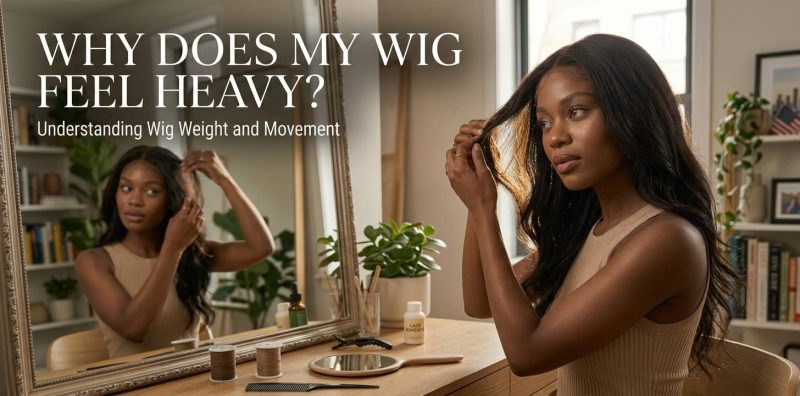
Have you ever noticed that your wig didn’t actually become heavier—but somehow it started feeling heavier every time you wore it?
At first, it moved effortlessly.
The hair bounced naturally when you walked.
Running your fingers through it felt satisfying.
Then, little by little, something changed.
The wig still looked beautiful in the mirror, yet it no longer felt the same.
Instead of flowing naturally, it seemed to sit on your shoulders like a thick winter sweater.
Many women immediately assume only one thing:
“My wig must be getting old.”
Surprisingly, that’s often not the real reason.
I remember meeting a client named Monica who brought me one of her favorite human hair wigs inside a satin storage bag.
She smiled awkwardly before saying,
“Nothing looks wrong with it… but I don’t enjoy wearing it anymore. It just feels so heavy.”
When I picked up the wig, I noticed something interesting.
It wasn’t unusually dense.
It wasn’t oversized.
The cap still fit perfectly.
The real problem wasn’t the weight.
It was everything that had slowly accumulated over months of everyday wear.
Layers of styling products.
Tiny amounts of dust.
Moisture imbalance.
Heat styling.
Product residue hidden between the strands.
All of these small changes had gradually transformed the way the wig behaved.
The wig hadn’t become heavier.
It had simply lost its natural movement.
And that’s an important distinction.
A comfortable wig isn’t only about how much it weighs on a scale.
It’s about how freely it moves, how softly the fibers respond, and how naturally it becomes part of your everyday life.
Understanding why that feeling develops is the first step toward bringing your wig back to life.
What Does a “Heavy” Wig Actually Mean?
One of the biggest misunderstandings in wig care is confusing physical weight with visual heaviness.
These are not the same thing.
A wig can weigh exactly the same as it did the day you bought it and still feel dramatically heavier.
Why?
Because our brains don’t judge weight alone.
We also judge:
- movement
- flexibility
- softness
- airflow
- bounce
- texture
Imagine wearing two identical sweaters.
One is freshly washed and fluffy.
The other has absorbed moisture after walking through light rain.
The second sweater isn’t dramatically heavier, but it certainly feels that way.
Hair behaves similarly.
When movement decreases, our brain interprets the wig as feeling “heavy.”
Many women describe it using words like:
- bulky
- stiff
- weighed down
- thick
- flat
- lifeless
These descriptions are often pointing to texture changes rather than actual weight.
Understanding that difference prevents one of the most common mistakes in wig care:
Adding even more products to a wig that already has too much on it.
The Difference Between a Thick Wig and a Heavy Wig
Another common misconception is believing that density automatically makes a wig uncomfortable.
Not necessarily.
A 200% density human hair wig can still feel remarkably light when:
- the cuticles remain smooth
- the strands move independently
- moisture is balanced
- styling products are used sparingly
Meanwhile, a lower-density wig can feel much heavier if the strands begin sticking together.
Think of fresh cooked spaghetti.
When lightly coated, each strand moves independently.
Leave the same pasta sitting overnight with too much sauce, and everything clumps together.
Hair behaves in a surprisingly similar way.
The problem isn’t always the amount of hair.
Sometimes it’s the relationship between each individual strand.
Professional wig consultations rarely begin by asking,
“How dense is your wig?”
Instead, they ask,
“How does the hair move?”
Because movement tells a much more complete story than density alone.
Why Human Hair Wigs Gradually Feel Heavier
One of the biggest advantages of a human hair wig is that it behaves much like your own natural hair.
It can be:
- curled
- straightened
- colored
- restyled
That versatility is exactly what many women love.
But it also means human hair responds to repeated stress in much the same way natural hair does.
Over time, several invisible changes begin affecting how lightweight the wig feels.
Cuticle Changes Affect Movement
Every human hair strand is protected by an outer layer called the cuticle.
Imagine thousands of tiny overlapping shingles on a roof.
When those cuticles lie flat, hair feels:
- smooth
- soft
- flexible
- lightweight
Light reflects evenly across the surface, allowing the strands to slide effortlessly against one another.
As daily wear continues, however, repeated brushing, heat styling, UV exposure, and friction gradually lift portions of the cuticle.
Once those protective layers become rougher, neighboring hairs begin catching against each other.
Instead of flowing independently, they start moving as larger groups.
That subtle increase in resistance makes the entire wig feel less airy—even though its actual weight hasn’t changed.
This is one reason a high-quality human hair wig can gradually lose the effortless movement it had when it was new.
Hair Porosity Changes the Way Moisture Behaves
Another concept many wig wearers never hear about is hair porosity.
Porosity describes how easily moisture enters—and leaves—the hair shaft.
Think of porosity as the size of tiny invisible doors inside each strand.
Low-porosity hair keeps those doors mostly closed.
Moisture enters slowly but stays longer.
High-porosity hair has doors that remain more open.
Moisture enters quickly.
Unfortunately, it also escapes just as quickly.
Many processed human hair wigs naturally become higher in porosity over time.
This creates an interesting cycle.
Hair feels dry.
More conditioner gets added.
More oils follow.
Then another leave-in product.
Eventually, instead of restoring balance, the routine begins covering the surface with unnecessary layers.
Ironically, a wig that feels “dry” can slowly become one that also feels “heavy.”
Finding the right moisture balance—not simply adding more product—is often what restores softness and movement.


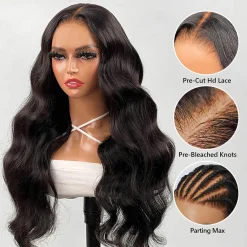
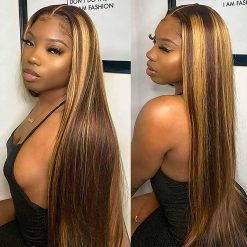
HD lace wigs
Pre-bleached Knots Straight HD Lace Frontal Wig 180% Density 6×5 Pre-cut Lace Wear & Go Glueless Wig

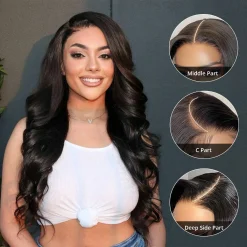
HD lace wigs



HD lace wigs
Glueless Straight Short Bob Wigs Brazilian Clear Lace 180% Density Hd Closure Wig Human Hair

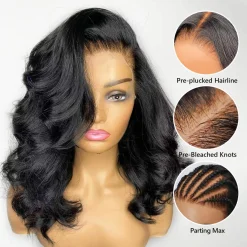
HD lace wigs

The Most Common Cause Nobody Talks About: Product Buildup
If I had to choose one issue responsible for the greatest number of “heavy wig” complaints, it would probably be product buildup.
Not because people use the wrong products.
But because many use too many good products at the same time.
A typical routine might look like this:
Monday:
- leave-in conditioner
Tuesday:
- shine spray
Wednesday:
- hair oil
Thursday:
- curl cream
Friday:
- anti-frizz serum
Each product seems harmless on its own.
Together, however, they slowly coat the surface of the hair.
The result?
Instead of individual strands moving freely, they begin sticking together.
The wig may appear:
- flatter
- heavier
- duller
- harder to style
Many women mistakenly respond by applying even more oil.
Unfortunately, this often makes the problem worse.
Sometimes the healthiest thing you can do for your wig is not adding another product—
It’s removing the products that are already there.
Real Client Story: When “More Care” Created More Problems
A client named Danielle visited the salon wearing a beautiful body wave human hair wig that she absolutely loved.
Or at least, she used to.
“It feels so heavy now,” she told me.
“I keep moisturizing it, but nothing works.”
Her routine sounded impressive.
She used a leave-in conditioner every morning.
Hair oil every afternoon.
A smoothing serum before going out.
A shine spray before photos.
She believed she was protecting her investment.
In reality, she had unintentionally created several thin layers of residue over every strand.
After performing a gentle clarifying cleanse and simplifying her maintenance routine, the difference was immediate.
The wig hadn’t become lighter overnight.
But it felt lighter because the strands could finally move independently again.
Danielle laughed and said something I hear surprisingly often:
“I thought I needed a new wig. Turns out, my wig just needed me to stop trying so hard.”
Why Synthetic Wigs Can Feel Heavy Even Though They Weigh Less
One of the biggest surprises for first-time wig wearers is this:
A synthetic wig often weighs less than a human hair wig—but it can still feel heavier.
At first, that doesn’t seem to make sense.
If it weighs less, shouldn’t it feel lighter?
Not always.
The feeling of heaviness is influenced by how the fibers move, not simply how much they weigh.
Synthetic fibers are manufactured polymers.
Unlike human hair, they do not have:
- natural cuticles;
- natural oils;
- living protein structures.
Instead, every strand is designed with a specific shape memory.
That memory helps a curly wig stay curly.
It helps a straight wig stay sleek.
It allows many synthetic wigs to keep their style after washing.
But there is another side to that convenience.
Synthetic fibers are naturally less flexible than healthy human hair.
When friction, heat, or product residue begins affecting the surface, the fibers lose some of their smooth movement.
Instead of flowing individually, they begin moving together.
That creates the sensation of bulk.
The wig hasn’t become heavier.
It simply becomes less responsive.
Heat Damage Changes the Fiber Forever
Many synthetic wig wearers assume heat works the same way it does on natural hair.
Unfortunately, it doesn’t.
Every synthetic fiber has a temperature limit.
Even heat-resistant synthetic wigs are only designed to tolerate controlled styling temperatures.
Once excessive heat changes the polymer structure, the surface can no longer return to its original condition.
You may notice:
- rough texture;
- stiffness;
- loss of curl definition;
- increased tangling;
- reduced movement.
Unlike human hair, synthetic fibers cannot repair themselves.
That is why prevention is far more effective than correction.
Whenever possible:
- avoid unnecessary heat;
- follow the manufacturer’s temperature recommendations;
- allow the fibers to cool naturally after styling.
Protecting the fiber structure today can significantly extend the life of your wig tomorrow.
Why the Ends Feel Heavier First
Have you ever noticed something interesting?
The crown still looks beautiful.
The roots still feel soft.
But the bottom six inches seem completely different.
This is incredibly common.
The ends experience the greatest amount of daily friction.
They constantly rub against:
- jackets;
- sweaters;
- scarves;
- handbags;
- seat belts;
- office chairs.
Every tiny movement creates microscopic wear.
Eventually, the fiber surface becomes rougher.
Those rough surfaces catch against neighboring strands.
The result is a wig that begins feeling dense near the ends—even though nothing has changed near the roots.
This is why professional wig maintenance always pays extra attention to the lower third of the hair.
Five Hidden Reasons Your Wig Feels Heavy
When someone tells me,
“My wig feels heavy.”
I rarely assume the wig itself is the problem.
Instead, I usually investigate five different areas.
Because heaviness is often a symptom—not the cause.
Reason 1: Product Buildup
This is by far the most common cause.
Every spray, serum, oil, mousse, wax, or cream leaves behind tiny residues.
One application isn’t harmful.
Months of layering without thorough cleansing gradually create a coating over the hair.
Signs include:
- hair sticking together;
- dull shine;
- reduced movement;
- difficulty curling;
- flat appearance.
A gentle clarifying wash often restores far more movement than another styling product ever could.
Reason 2: Moisture Imbalance
Many women believe:
“If my wig feels heavy, it must need more conditioner.”
Sometimes that’s true.
Often, it isn’t.
Healthy hair isn’t about maximum moisture.
It’s about balanced moisture.
Too little moisture creates:
- dryness;
- stiffness;
- friction.
Too much moisture creates:
- limp hair;
- stretched curl patterns;
- reduced volume;
- sluggish movement.
The goal isn’t making hair wetter.
The goal is helping it maintain the right moisture balance.
Reason 3: Heat Styling Fatigue
A flat iron doesn’t damage hair in one afternoon.
Damage happens through repetition.
Daily:
- straightening;
- curling;
- hot combing;
- touching up the same sections repeatedly;
gradually weakens both human hair and heat-resistant synthetic fibers.
As flexibility decreases, movement becomes restricted.
The wig begins feeling heavier—not because more hair exists, but because less movement remains.
Reason 4: Improper Washing
Many wigs become heavy immediately after washing.
Why?
Often because they’re never fully rinsed.
Leftover shampoo…
Conditioner…
Styling creams…
Silicone…
All remain trapped between the strands.
The wig dries looking clean.
Yet it feels strangely coated.
A professional cleansing routine focuses on completely removing residue—not simply adding more conditioning afterward.
Reason 5: The Environment Around You
Your wig doesn’t exist in isolation.
It responds to your lifestyle every single day.
A woman living in Florida may notice her wig feels heavier during humid summer afternoons because moisture in the air affects texture and product behavior.
Someone living in Colorado may experience the opposite—dry air and static electricity that make fibers rougher and less fluid.
During winter, thick scarves and wool coats increase friction around the ends.
During summer, sweat and sunscreen can gradually transfer onto the hair.
Your wig is constantly interacting with the world around you.
Understanding those interactions makes maintenance much easier.
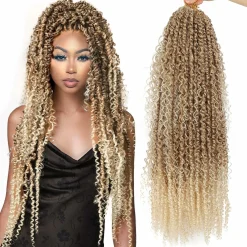
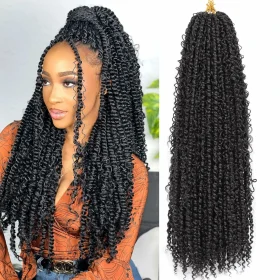
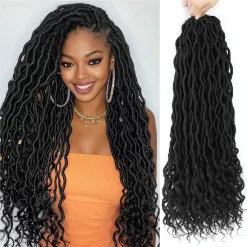

Synthetic Extensions


Synthetic Extensions


Synthetic Extensions
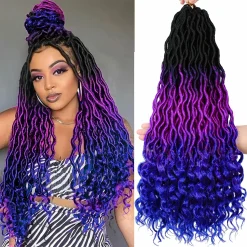
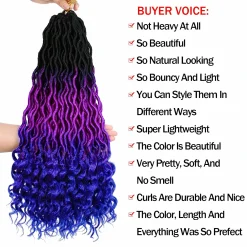
Synthetic Extensions


Heavy Wig Diagnosis Guide: Find the Cause Before Buying Another Product
One lesson I’ve learned after years of helping women care for wigs is this:
Don’t treat the symptom before identifying the cause.
Many wigs that feel heavy don’t need replacing.
They simply need the right diagnosis.
| What You Notice | Possible Cause | Better Solution |
| Hair feels oily but dull | Product buildup | Clarifying cleanse |
| Wig feels stiff after styling | Heat fatigue | Reduce styling frequency |
| Ends feel bulky | Friction damage | Targeted conditioning and trim |
| Hair feels heavy after washing | Incomplete rinsing | Thorough rinse and lighter conditioner |
| Lace area feels sticky | Adhesive or product residue | Clean lace before reinstalling |
| Curly wig looks flat | Product overload | Refresh curls with water and finger styling |
| Bob wig has no movement | Over-brushing or damaged ends | Light reshaping and minimal heat |
| Synthetic wig feels rough | Fiber wear | Protect fibers and reduce friction |
A simple diagnosis like this often saves women hundreds of dollars by helping them restore a wig they thought was beyond repair.
How Weather Quietly Changes the Way Your Wig Feels
Many women assume their maintenance routine is inconsistent.
Sometimes, the routine hasn’t changed at all.
The weather has.
Human hair naturally responds to humidity.
High-porosity wigs may absorb moisture from the air, causing the strands to swell slightly.
That swelling increases friction between individual hairs, making the wig feel heavier and less fluid.
Winter creates a different challenge.
Dry indoor heating removes moisture from the hair, while static electricity encourages strands to cling together.
Even if your routine stays exactly the same, your wig may behave very differently between January and July.
Instead of fighting these seasonal changes, adjust your routine with them.
Small seasonal changes often prevent much larger maintenance problems later.
How HD Lace, Hairline, and Installation Can Make a Wig Feel Heavier
When women describe a wig as “heavy,” they are not always talking about the hair itself.
Sometimes they’re talking about the entire wearing experience.
A wig that constantly reminds you it’s on your head rarely feels lightweight—even if it actually weighs very little.
This is where construction becomes just as important as fiber quality.
A beautiful wig isn’t simply a collection of hair strands.
It’s a combination of:
- hair movement;
- cap construction;
- lace quality;
- hairline design;
- installation method;
- overall comfort.
When those elements work together, the wig almost disappears.
When they don’t, even the highest-quality human hair can begin feeling uncomfortable.
Why the Hairline Changes Everything
Think about the last time you had a conversation with someone.
Where did your eyes naturally focus?
Most people instinctively look at:
- the face;
- the eyes;
- the hairline.
That is why the front of the wig influences realism more than any other area.
Ironically, it’s also where many women accidentally create unnecessary heaviness.
Common examples include:
- applying excessive edge control;
- using too much styling wax;
- overworking baby hairs;
- repeatedly layering adhesive;
- allowing product residue to build up near the lace.
Each layer may seem insignificant.
Over weeks, however, the front of the wig becomes increasingly stiff.
Instead of blending naturally into the scalp, the hairline begins looking—and feeling—overworked.
A natural hairline should move gently with your facial expressions.
It shouldn’t feel like it’s holding everything in place.
Secure Doesn’t Mean More Glue
One myth refuses to disappear.
“If I use more glue, my wig will feel more secure.”
In reality, comfort usually comes from proper preparation, not excessive adhesive.
A successful installation begins with:
- a clean lace;
- clean skin;
- the correct amount of adhesive;
- sufficient drying time between layers.
Applying too much glue often creates:
- visible residue;
- sticky buildup;
- difficult removal;
- uncomfortable stiffness around the front.
The goal isn’t creating a thick barrier between your wig and your skin.
The goal is creating an invisible connection.
Many experienced wig wearers eventually discover something surprising:
The most secure installations often use less product, not more.
Different Wig Styles Feel Heavy for Different Reasons
Not every wig should be maintained the same way.
Different textures behave differently.
Trying to force every wig into the same routine usually creates unnecessary problems.
Straight Human Hair Wigs
Straight wigs reveal problems quickly.
Because the hair naturally falls in one direction, even small amounts of residue become noticeable.
Pay attention to:
- shine that suddenly looks greasy instead of healthy;
- reduced movement;
- ends sticking together.
Less brushing and lighter products usually produce better long-term results.
Body Wave and Loose Wave Wigs
Movement is the beauty of these textures.
When waves begin feeling heavy, ask yourself:
- Have I been using too much curl cream?
- Am I brushing instead of finger styling?
- Have I layered multiple moisturizing products?
Sometimes simplifying your routine allows the original wave pattern to return naturally.
Bob Wigs
Bob wigs depend on precision.
Their clean silhouette means small mistakes become much more obvious.
A bob may feel heavy because:
- the ends have become too bulky;
- damaged hair no longer swings naturally;
- excessive heat has stiffened the lower sections.
Interestingly, a tiny professional trim often restores movement far better than adding more styling products.
Protective Styles: Boho Hair, Passion Twist Hair, Faux Locs, and Braiding Hair
Protective styles follow completely different beauty standards.
The goal isn’t silky perfection.
The goal is believable texture.
Small variations make these styles look authentic.
Problems begin when:
- products harden the fibers;
- synthetic strands lose flexibility;
- repeated manipulation damages the style.
Instead of constantly restyling them, focus on gentle refreshing.
Less manipulation usually creates a more natural appearance.
HD lace wigs
Pre-bleached Knots Straight HD Lace Frontal Wig 180% Density 6×5 Pre-cut Lace Wear & Go Glueless Wig
HD lace wigs
HD lace wigs
Glueless Straight Short Bob Wigs Brazilian Clear Lace 180% Density Hd Closure Wig Human Hair
HD lace wigs
How to Make a Heavy Wig Feel Light Again
The good news?
A heavy-feeling wig doesn’t automatically need replacing.
In many cases, restoring movement is surprisingly achievable.
Professional wig care rarely begins by buying another product.
It begins with understanding what the hair is trying to tell you.
If you’ve been learning more about everyday wig maintenance, understanding how to properly care for and maintain a human hair wig can help you prevent many common issues before they develop into larger problems.
Step 1: Diagnose Before Treating
Don’t immediately assume the wig needs more moisture.
Ask yourself:
- Does it feel coated?
- Does it feel dry?
- Does it only feel heavy after styling?
- Does the heaviness appear near the ends?
- Does it disappear after washing?
The answers usually point toward the real cause.
Step 2: Remove Unnecessary Buildup
If residue is the issue, begin with a gentle cleansing routine.
The objective isn’t making the hair squeaky clean.
It’s allowing every strand to move independently again.
Avoid aggressive scrubbing.
Gentle cleansing preserves both the hair and the lace.
Step 3: Condition Strategically
Apply conditioner where it is actually needed.
Focus primarily on:
- mid-lengths;
- ends.
Avoid applying heavy products directly to:
- lace;
- knots;
- hairline.
Those areas need to remain clean for realistic blending and comfortable installation.
Step 4: Reduce Daily Manipulation
One of the biggest improvements many women notice comes from simply touching the wig less.
Instead of repeatedly brushing throughout the day:
- reshape with your fingers;
- separate waves gently;
- refresh curls only when necessary.
Less manipulation means less friction.
Less friction means better movement.
Step 5: Store It Like Something You Value
Your maintenance routine doesn’t end when you remove the wig.
Store it on:
- a wig stand;
- a mannequin head;
- inside a satin storage bag.
Keeping the fibers protected overnight often prevents unnecessary friction before the next wear.
A Simple Weekly Routine to Keep Your Wig Feeling Light
Daily
Before wearing:
- gently shake the wig;
- separate strands with your fingers;
- inspect the hairline;
- avoid unnecessary brushing.
After wearing:
- remove carefully;
- allow the cap to breathe;
- store properly;
- keep away from excessive humidity.
Weekly
Check for:
- product buildup;
- tangled ends;
- lace cleanliness;
- curl definition;
- changes in movement.
Small corrections are much easier than major repairs.
Monthly
If you wear your wig frequently, consider:
- deep cleansing;
- lace maintenance;
- light trimming;
- reinstall adjustments.
Preventive care almost always extends the life of a quality wig.
A Friend-to-Friend Summary
If there’s one thing I hope you remember after reading this, it’s this:
A heavy-feeling wig isn’t necessarily an old wig.
More often than not, it’s simply a wig asking for a different kind of care.
Over the years, I’ve met women who were convinced their favorite wig was beyond saving.
Many had already started shopping for a replacement.
Yet after simplifying their routine, removing buildup, and respecting the unique needs of their wig’s fiber, they found themselves falling in love with that same wig all over again.
There’s something comforting about realizing the solution isn’t always buying something new.
Sometimes it’s slowing down.
Paying attention.
Listening to what the hair is telling you.
Just like natural hair, wigs change with time.
They respond to weather.
They react to products.
They reflect the habits of the person wearing them.
The goal isn’t keeping your wig frozen in the condition it arrived in.
The goal is helping it continue feeling like part of your everyday life.
When that happens, you stop thinking about how heavy it feels.
You simply enjoy wearing it.
Frequently Asked Questions (FAQ)
Why does my wig feel heavy after washing?
This is often caused by incomplete rinsing, product residue, or using conditioners that are too rich for your wig type. A thorough rinse and lighter conditioning routine usually improve movement.
Can too much conditioner make a wig feel heavy?
Yes. Human hair wigs benefit from conditioning, but excessive amounts can coat the strands and reduce natural movement.
Why does my human hair wig feel stiff?
Common causes include heat styling, product buildup, lifted cuticles, and moisture imbalance. The correct solution depends on the underlying cause rather than simply adding more oil.
Can humidity make my wig feel heavier?
Yes. High humidity can affect both human hair and synthetic fibers differently, changing movement, texture, and overall comfort throughout the day.
Should I use hair oil if my wig feels heavy?
Not immediately. First determine whether the heaviness comes from dryness or product buildup. Adding more oil to already coated hair often worsens the problem.
How often should I deep clean my wig?
It depends on how frequently you wear it and how many styling products you use. Regular maintenance is generally more effective than waiting until buildup becomes severe.
Final Thoughts
Your wig should never feel like something you’re fighting with.
The best wigs don’t constantly remind you they’re there.
They move with you.
They frame your face naturally.
They become part of your daily routine rather than another task to manage.
If your wig suddenly feels heavy, don’t assume it’s reached the end of its life.
Take a closer look.
Sometimes all it needs is a cleaner routine, a gentler touch, and a little patience.
Because beautiful wig care isn’t about using the most products.
It’s about understanding which ones your wig truly needs—and knowing when it doesn’t need anything at all.
Synthetic Extensions
Synthetic Extensions
Synthetic Extensions
Synthetic Extensions
