
Why Does My Wig Shed So Much? The Real Reasons Behind Hair Loss, Loose Knots, and How To Protect Your Wig
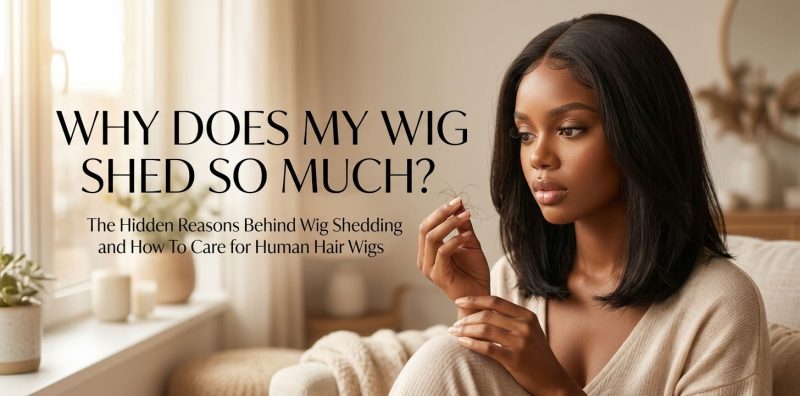
The Hidden Reasons Behind Wig Shedding and How To Care for Human Hair Wigs
Why does a wig that looked perfect on the first day sometimes leave more hair on your brush than on your head?
It is a question many women have asked themselves while standing in front of the bathroom mirror.
You gently run your fingers through your wig, and a few strands come away.
You brush it before leaving the house, and there are more strands on the comb.
At first, you tell yourself:
“Maybe this is normal.”
Then a few weeks pass.
The shedding becomes more noticeable.
You start looking at the wig differently.
The style you once loved becomes something you worry about.
I have heard this story from many women.
A woman buys her first human hair wig because she wants something beautiful, convenient, and confidence-building. Maybe she is preparing for a special event. Maybe she wants an easier morning routine. Maybe she simply wants the freedom to change her hairstyle without spending hours at a salon.
But when the hair starts shedding, the emotional reaction is often bigger than the actual problem.
Because hair is personal.
Even when it is a wig, we connect it with how we see ourselves.
The surprising truth is this:
A few loose hairs do not always mean your wig is failing.
Actually, some shedding can be completely normal.
The more important question is:
Why is the shedding happening, and is it happening in a way that can be prevented?
A human hair wig is not attached to a living scalp.
Natural hair receives oils, nutrients, and protection from the body.
A wig does not.
Every strand has to rely on:
- the quality of the hair construction;
- how knots are secured;
- how the wig is washed;
- how it is brushed;
- how it is stored;
- how often heat styling is used.
Understanding these details changes the entire experience.
Instead of looking at every loose strand with panic, you begin to understand what your wig is telling you.
Shedding Does Not Always Mean Your Wig Is Damaged
The Difference Between Normal Shedding and Problem Shedding
One of the biggest misunderstandings about wigs is that people expect zero shedding.
But human hair wigs are made with thousands of individual hair strands.
During production, customization, cutting, styling, and daily wear, a small amount of loose hair can naturally appear.
Think about your own natural hair.
Every day, people lose some hair during brushing and washing.
A wig can behave similarly.
The difference is that natural hair continues growing.
A wig does not replace lost strands in the same way.
That means preventing unnecessary shedding becomes very important.
A professional wig consultation usually separates shedding into two categories.


HD lace wigs
Pre-bleached Knots Straight HD Lace Frontal Wig 180% Density 6×5 Pre-cut Lace Wear & Go Glueless Wig

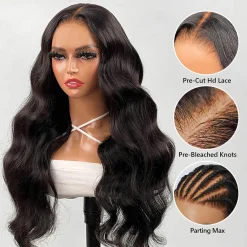
HD lace wigs

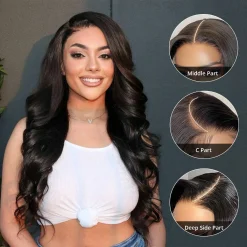


HD lace wigs
Glueless Straight Short Bob Wigs Brazilian Clear Lace 180% Density Hd Closure Wig Human Hair

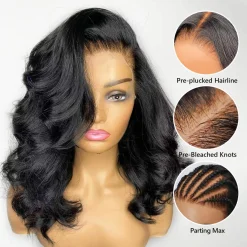
HD lace wigs
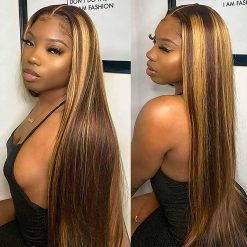

Normal Shedding
Usually looks like:
- a few strands appearing during brushing;
- small amounts of hair after washing;
- occasional loose hairs from the ends.
This type of shedding is often related to normal wear.
Excessive Shedding
Usually includes:
- visible thinning areas;
- many strands coming out from the same location;
- shedding around the lace area;
- loose knots near the cap;
- noticeable reduction in density.
This type requires closer examination.
The important thing is not simply counting every strand.
The important thing is understanding the pattern.
The Hidden Construction Behind Wig Shedding
Why Hair Knots Matter More Than Most People Realize
Many women focus on the hair itself:
“Is this real human hair?”
“Is the texture soft?”
“Does it look natural?”
Those questions matter.
But there is another part that often determines how long a wig performs:
The way the hair is attached.
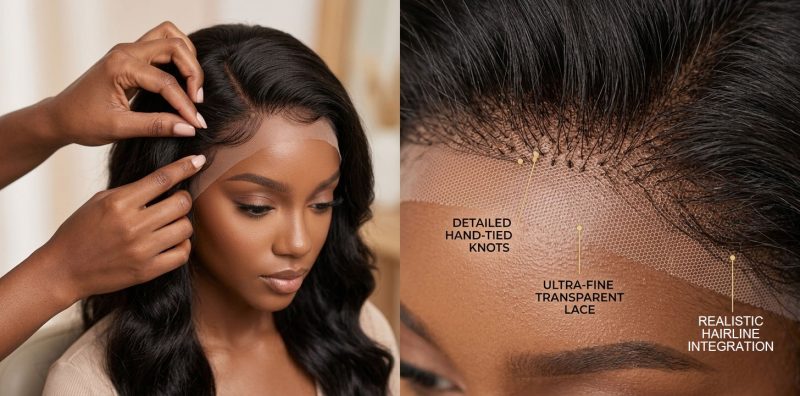
In lace front wigs and full lace wigs, individual hairs are ventilated into the lace or cap material.
Each strand is secured with tiny knots.
Those knots create the connection between:
- the hair fiber;
- the lace base;
- the overall wig structure.
If those knots become loose, shedding increases.
The reasons can include:
- rough brushing near the lace;
- aggressive washing;
- repeated pulling during styling;
- excessive chemical processing.
This is why the hairline area requires special attention.
The front of a wig often receives the most styling:
- baby hair customization;
- edge brushing;
- adhesive removal;
- daily adjustment.
A gentle routine protects this area.
Why Lace Front Wig Wearers Often Notice Shedding Near the Hairline
A lace front wig creates a realistic illusion because individual hairs are attached to a delicate lace material.
That realism comes with responsibility.
The lace area is thinner and more delicate than other parts of the wig.
Common causes of front shedding include:
Aggressive Adhesive Removal
Many beginners focus on installation.
But removal is equally important.
Pulling the lace quickly can stress the knots.
A better approach:
- Apply adhesive remover around the lace edge.
- Allow time for the adhesive to soften.
- Slowly separate the lace.
- Clean residue before reinstalling.
Patience during removal protects the hairline.
Excessive Edge Styling
Baby hairs are beautiful because they create softness.
But constantly brushing the same small hairs can weaken them.
The hairline should not be treated like a section that needs daily reshaping with heavy pressure.
The Four Main Reasons Your Wig May Shed Too Much
Reason One: Brushing Technique Is Creating Invisible Damage
One of the most common causes of unnecessary shedding is not the wig.
It is the brush.
Many people brush wigs the same way they brush their own hair:
Starting from the top.
Pulling downward.
Working through every knot with force.
But wigs need a different technique.
Imagine a necklace with a small knot.
If you pull from the top, the knot becomes tighter.
Hair behaves similarly.
A better detangling method:
Step 1:
Hold the wig near the cap area.
This prevents pulling pressure from reaching the lace.
Step 2:
Start at the ends.
Remove small tangles first.
Step 3:
Move upward slowly.
Work from:
ends → middle → roots
This reduces stress on the attachment points.
For straight and body wave wigs, a wide-tooth comb is often a gentler option. Some MsAloe wig care instructions also recommend starting from the hair ends and moving upward to reduce tangling and shedding during brushing.
For curly and deep wave textures, finger detangling is often preferred because aggressive combing can disrupt the curl pattern and create more stress on the hair.
Reason Two: Too Much Heat Styling Weakens Hair Fibers
Human hair wigs can be styled.
That is one of their biggest advantages.
But “can style” does not mean “can style without limits.”
Heat changes the structure of hair.
Repeated exposure to:
- flat irons;
- curling irons;
- hot combs;
- high-temperature blow dryers;
can gradually reduce moisture and flexibility.
The result:
- dry strands;
- weaker ends;
- increased breakage;
- more visible shedding.
A healthier heat routine:
Before styling:
- Apply heat protectant.
- Use moderate temperature.
- Avoid repeatedly passing over the same section.
- Allow hair to cool before brushing.
The goal is not avoiding styling.
The goal is protecting the hair while styling.
The Four Main Reasons Your Wig May Shed Too Much (Continued)
Reason Three: Washing Your Wig Like Natural Hair
This is one of the most common mistakes I see.
A woman buys a beautiful human hair wig.
She wants to take good care of it.
So she washes it the same way she washes her own hair.
She applies shampoo.
She scrubs.
She twists the hair together.
She squeezes out water.
The intention is good.
But the method can create unnecessary stress.
A wig is not attached to your scalp.
The hair does not have your body’s natural support system.
Every washing session is a moment where you either protect the hair or create more stress.
A gentle washing routine is not complicated, but the details matter.
Step 1: Detangle Before Washing
Never put a heavily tangled wig directly into water.
Why?
Because wet hair becomes more flexible and vulnerable.
If knots already exist, water can make them tighten.
Before washing:
- Place the wig on a wig stand or hold it securely.
- Start brushing from the ends.
- Slowly move upward.
- Separate difficult knots with your fingers.
Do not force the brush through resistance.
A few extra minutes before washing can prevent many broken strands.
Step 2: Choose the Right Water Temperature
Very hot water may feel refreshing, but it is not always friendly to wig fibers.
Hot water can:
- remove moisture faster;
- make hair feel rougher;
- affect processed textures.
Use lukewarm water.
The goal is cleaning without creating unnecessary stress.
Step 3: Wash in the Direction of the Hair
Natural instinct tells us to scrub.
But wigs prefer a smoother approach.
Instead of:
- rubbing hair together;
- creating circular movements;
- twisting the lengths;
try:
- gently applying shampoo downward;
- following the natural direction of the strands;
- allowing water to carry away residue.
Think of washing a delicate silk fabric.
You clean it.
You do not fight it.
Step 4: Condition the Hair, Not the Lace
Conditioner is important for maintaining softness.
But placement matters.
Apply conditioner mainly to:
- mid-lengths;
- ends.
Avoid heavy conditioner directly on:
- lace;
- knots;
- cap area.
Too much product around the base can create buildup.
That buildup may affect:
- ventilation;
- cleanliness;
- knot stability.
Step 5: Dry Without Creating Tension
Wet wigs are heavier.
If you hang a wet wig incorrectly, the weight of the water can pull on the knots.
Better:
- gently squeeze excess water;
- place on a wig stand;
- allow natural drying when possible.
Avoid aggressive towel rubbing.
Friction during drying is one of the easiest ways to create unnecessary shedding.
Reason Four: The Wig Does Not Match Your Lifestyle
Sometimes shedding is not caused by poor care.
Sometimes the wig and the wearer simply have different lifestyles.
This is something many women do not consider.
A wig is not only a hairstyle.
It is part of your daily routine.
For example:
A woman who works from home and wears a wig twice a week has completely different needs from someone who wears the same wig:
- five days a week;
- during workouts;
- in humid weather;
- under hats;
- during long work shifts.
The same wig can perform differently depending on how it is used.
Length Can Affect Shedding
Longer wigs create more movement.
A 26-inch or 30-inch wig has more hair surface interacting with:
- clothing;
- furniture;
- wind;
- hands.
This does not mean long wigs are a bad choice.
It simply means they need more maintenance.
Long styles usually benefit from:
- more frequent detangling;
- better nighttime protection;
- careful brushing.
Texture Can Affect Maintenance
Different textures have different personalities.
Straight Hair
Usually:
- easier to brush;
- easier to refresh;
- shows dryness quickly.
Body Wave Hair
Usually:
- requires moisture balance;
- benefits from gentle styling;
- should not be aggressively brushed when dry.
Curly Hair
Usually:
- needs curl preservation;
- should be refreshed with water or curl products;
- requires less brushing.
A curly wig that is brushed like straight hair may experience unnecessary breakage.
Four “Giveaway” Problems That Make a Wig Look Unhealthy
Many women describe the problem simply:
“My wig looks old.”
But usually, there are specific signs.
A professional wig consultant looks at four areas.
Dimension One: Hairline Shedding Around the Lace
The front hairline is the most delicate area.
It creates the illusion that hair grows naturally from the scalp.
Because of this, it often receives the most attention:
- styling baby hairs;
- applying adhesive;
- removing adhesive;
- adjusting placement.
Over time, repeated tension can weaken the knots.
Signs:
- small gaps near the front;
- thinner-looking edges;
- visible lace areas.
Prevention:
- avoid brushing baby hairs aggressively;
- remove adhesive slowly;
- avoid pulling the lace during adjustment.
The goal is treating the lace like delicate fabric.
HD lace wigs
Pre-bleached Knots Straight HD Lace Frontal Wig 180% Density 6×5 Pre-cut Lace Wear & Go Glueless Wig
HD lace wigs
HD lace wigs
Glueless Straight Short Bob Wigs Brazilian Clear Lace 180% Density Hd Closure Wig Human Hair
HD lace wigs
Dimension Two: Uneven Density Caused by Repeated Styling
A wig can technically still have hair but appear thinner because certain areas receive more stress.
Common areas:
- part line;
- crown;
- temples.
For example:
Someone who always wears a middle part may repeatedly manipulate the same section.
Over months, this area may show more wear.
Small changes help:
- occasionally change parting;
- avoid constant pulling;
- reduce tight styling.
Dimension Three: Short Broken Hair Instead of Full-Length Shedding
Not all hair loss from a wig is shedding.
Sometimes it is breakage.
How can you tell?
A shed strand usually:
- has a similar length to the wig hair;
- may have a small bulb-like end.
A broken strand:
- is shorter;
- looks uneven;
- may appear as small pieces.
Common causes:
- excessive heat;
- rough brushing;
- dry hair fibers.
The solution is different.
If the issue is breakage, stronger products will not solve the problem.
The routine must become gentler.
Dimension Four: Loose Hair Around the Cap Construction
Sometimes shedding begins because the attachment points inside the wig have weakened.
Causes may include:
- frequent washing;
- improper storage;
- stretching the cap;
- rough handling.
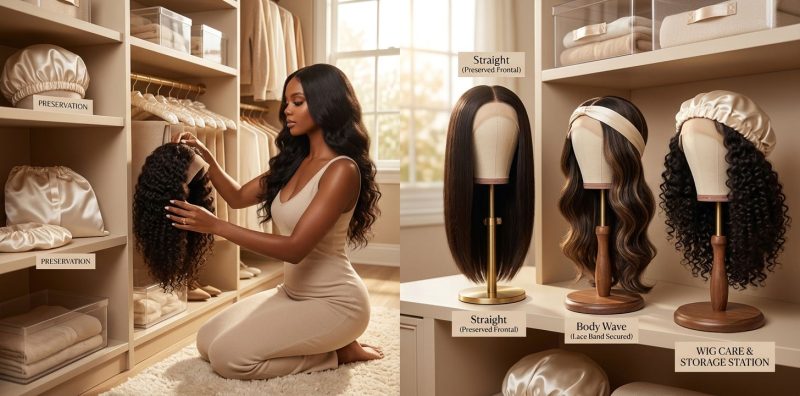
A wig should not be stored randomly in a drawer or bag.
Hair can become compressed, tangled, and pulled.
Better storage:
- use a wig stand;
- keep the shape supported;
- cover it when not wearing;
- avoid heavy objects pressing on it.
Real Stories: Two Women Who Solved Their Wig Shedding Problems
Case Study One: “I Thought My Expensive Wig Was Falling Apart”
Monica purchased her first premium human hair lace front wig before an important family celebration.
She loved everything about it.
The length.
The movement.
The natural-looking hairline.
But after several weeks, she noticed hair on her bathroom counter every morning.
She became worried.
Her first thought was:
“I spent so much money. Why is this happening?”
When reviewing her routine, the problem became clear.
The wig itself was not the main issue.
Her daily habits were creating stress.
She was:
- brushing from the roots downward;
- using a strong styling spray every day;
- sleeping without protecting the hair;
- pulling the wig forward when adjusting it.
Her new routine focused on reducing tension:
Morning:
- gently shake the hair;
- separate strands with fingers;
- brush only where needed.
Evening:
- store properly;
- protect the hair surface;
- avoid unnecessary manipulation.
After several weeks, shedding decreased.
The biggest change was not a new product.
It was understanding how the wig worked.
Case Study Two: “My Work Schedule Was the Real Problem”
Danielle worked long shifts in a busy environment.
She loved wearing longer wigs because they made mornings easier.
But she noticed constant shedding around the nape area.
She tried:
- different shampoos;
- different brushes;
- extra conditioning.
Nothing changed.
The reason was her daily environment.
Her hair was constantly rubbing against:
- uniform collars;
- jackets;
- chairs.
The friction created gradual damage.
Her solution:
- shorter styles for work days;
- longer wigs for special occasions;
- satin protection at night.
She did not need more products.
She needed a wig routine that matched her life.
The Complete Wig Care Sequence: How To Reduce Shedding Step by Step
A lot of wig problems become easier when you stop looking for one magic solution.
A wig that sheds less usually comes from many small habits working together.
Think about caring for a favorite sweater.
You do not protect it with one single action.
You wash it carefully.
You store it properly.
You handle it gently.
Human hair wigs are similar.
Here is a professional maintenance sequence that can help protect the hair and the construction.
Step 1: Before Wearing — Check the Hair Before Problems Begin
Many women only pay attention when shedding becomes obvious.
But prevention starts earlier.
Before putting on your wig:
Check:
- the lace area;
- the part line;
- the ends;
- areas that feel rough.
Ask yourself:
Does the hair feel:
- dry?
- rough?
- tangled?
- unusually fragile?
Small issues are easier to solve than large ones.
If the ends feel dry, apply a lightweight leave-in product.
If the hair is tangled, detangle before wearing.
Avoid adding more styling products to hair that is already overloaded.
Step 2: Detangle With the Correct Sequence
The order matters.
A professional detangling routine:
First:
Separate large knots with your fingers.
Do not immediately pull with a brush.
Second:
Hold the wig near the cap.
This protects the knots from unnecessary tension.
Third:
Start at the ends.
Slowly move upward.
Never force the brush through resistance.
Fourth:
Finish by gently brushing the entire length.
The goal is not speed.
The goal is protecting every attachment point.
Step 3: Wash Only When the Wig Needs It
Many women over-wash because they want the wig to feel fresh.
But frequent washing can remove moisture from human hair fibers.
The right schedule depends on:
- how often you wear it;
- your climate;
- styling products;
- sweating level.
A wig worn every day may need more maintenance than an occasional event wig.
Pay attention to the hair itself.
Signs it needs washing:
- product buildup;
- reduced movement;
- oily feeling;
- dull appearance.
Step 4: Use Products That Support the Hair Fiber
The goal of wig care is balance.
Too little moisture:
- dry hair;
- rough texture;
- more friction.
Too much product:
- heavy feeling;
- buildup;
- reduced movement.
A simple routine often works best:
Cleanser:
- gentle shampoo.
Condition:
- moisturizing conditioner on lengths and ends.
Refresh:
- lightweight leave-in conditioner.
Style:
- heat protectant before hot tools.
The products should support the hair.
They should not cover the hair with layers.
Step 5: Protect the Wig During Sleep
Nighttime is when many women accidentally damage their wigs.
During sleep, hair experiences:
- rubbing;
- pulling;
- friction.
Especially with longer wigs.
Helpful habits:
- place the wig on a stand if removed;
- use satin protection if sleeping in the wig;
- avoid sleeping on rough fabrics.
Small changes can prevent a surprising amount of damage.
Step 6: Store Your Wig Like Something You Want To Keep Beautiful
A wig sitting in a drawer is exposed to:
- crushing;
- tangling;
- dust;
- shape distortion.
Better storage:
- Place wig on a stand.
- Brush gently.
- Keep hair flowing naturally.
- Cover when needed.
Storage is not just organization.
It protects the structure of the wig.
HD lace wigs
Pre-bleached Knots Straight HD Lace Frontal Wig 180% Density 6×5 Pre-cut Lace Wear & Go Glueless Wig
HD lace wigs
HD lace wigs
Glueless Straight Short Bob Wigs Brazilian Clear Lace 180% Density Hd Closure Wig Human Hair
HD lace wigs
Choosing a Wig That Matches Your Maintenance Style
Sometimes women experience excessive shedding because the wig does not match their lifestyle.
Before choosing a wig, consider your routine.
Ask:
“How much time do I realistically want to spend maintaining my hair?”
That question is often more useful than:
“What style looks the most beautiful?”
If You Prefer Easy Daily Care
Straight textures are often easier for women who want:
- quick brushing;
- simple styling;
- less curl maintenance.
A straight HD lace frontal wig can be a practical option for women who enjoy a smooth style and want a natural hairline while keeping daily styling relatively simple.
For example, MsAloe’s straight HD lace frontal wig collection page can be placed here as a resource for understanding this type of construction:
https://www.msaloe.com/products/straight-hd-lace-frontal-wig
If You Love Soft Movement and Volume
Wave textures can create beautiful movement, but they need slightly different care.
The goal is maintaining the pattern instead of repeatedly restyling it.
Gentle refreshing usually works better than daily heat.
For women who prefer a softer, more relaxed texture, a body wave lace wig option can fit a lifestyle where natural movement is important.
https://www.msaloe.com/products/body-wave-hd-lace-frontal-wig
If You Want To Compare Different Wig Options
Every woman has different priorities.
Some care most about:
- natural hairline;
- easy maintenance;
- length;
- texture;
- wearing comfort.
A collection page allows shoppers to compare different constructions instead of choosing only based on photos.
More Wig Care Questions Women Ask (FAQ)
Is it normal for a human hair wig to shed?
Yes.
A small amount of shedding can happen because wigs contain individual hair strands attached to a base.
The concern is excessive shedding, especially when you notice thinning areas or weakened construction.
How much shedding is too much for a wig?
There is no exact number that applies to every wig.
Instead, look at the pattern.
Pay attention if:
- large amounts of hair come out repeatedly;
- the lace becomes visible;
- density changes noticeably;
- shedding increases suddenly.
Why is my lace front wig shedding from the front?
The front area experiences more manipulation.
Common causes:
- adhesive removal;
- baby hair styling;
- brushing pressure;
- pulling during installation.
Gentle handling around the hairline can help protect it.
Does washing make a wig shed more?
Washing itself does not automatically cause damage.
The problem usually comes from:
- rough washing;
- aggressive rubbing;
- poor drying methods.
A gentle routine protects the attachment points.
Can I stop my wig from shedding completely?
No wig can realistically promise zero shedding forever.
The goal is reducing unnecessary shedding and extending the life of the wig through proper care.
Should I replace my wig when it starts shedding?
Not always.
First ask:
- Is the shedding caused by care habits?
- Is the lace still healthy?
- Is the hair still soft?
- Can the problem be repaired?
Many wigs have more life left when they receive the right maintenance.
A Small Conversation Between Friends: What I Hope Every Wig Wearer Knows
If we were sitting together at home talking about wigs, I would say this:
Do not judge your wig by one bad hair day.
Every woman who wears wigs has moments when something feels wrong.
A curl does not hold.
The lace needs adjustment.
The hair needs more moisture.
A few strands fall out.
That does not mean you made a mistake.
It means you are learning the personality of the hair.
A wig is not exactly like your natural hair.
It has different needs.
It needs protection from friction.
It needs thoughtful handling.
It needs patience.
The women who enjoy wearing wigs the most are usually not the ones who never experience problems.
They are the ones who understand how to solve small problems before they become frustrating ones.
A little gentleness goes a long way.
The goal is not to treat your wig like something fragile that you are afraid to touch.
The goal is to understand it well enough that caring for it feels natural.
Because the best wig experience is not about constantly checking whether something is wrong.
It is about putting it on, stepping outside, and forgetting about it.
That is when a hairstyle becomes part of your life instead of another task on your list.
