
Why Does My Wig Look Unnatural in Sunlight? The Hidden Details That Reveal a Wig Outdoors
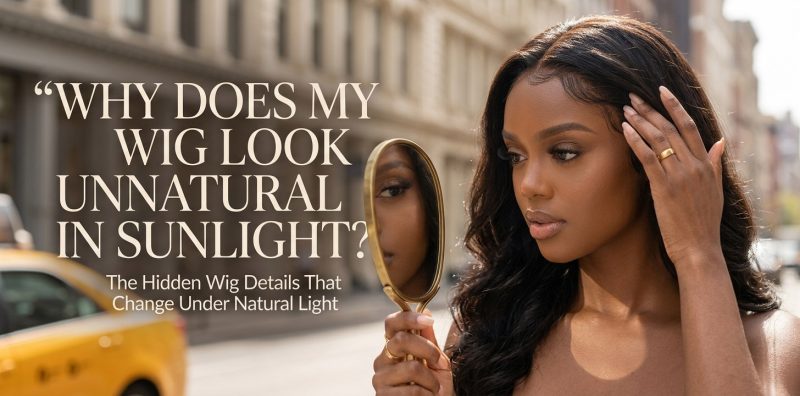
Why does your wig look completely natural in your bedroom mirror, but suddenly feel “different” the moment you step outside?
This is one of the most frustrating experiences for many wig wearers.
You spend time installing it.
You adjust the lace.
You smooth the baby hairs.
You check the parting.
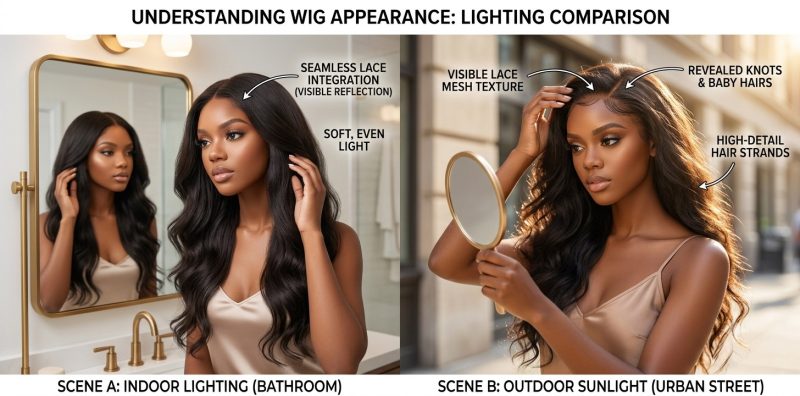
Under bathroom lighting, everything looks beautiful.
The hairline looks soft.
The texture looks natural.
The style feels like you.
Then you walk outside.
The sunlight hits your hair.
And suddenly you notice things you did not see before:
A lace edge that seems more visible.
A hairline that feels too straight.
Hair density that looks slightly too full.
A shine that does not match natural hair.
A texture that looks more “wig-like” than you expected.
Many women immediately blame the wig.
They think:
“Maybe this is not good hair.”
“Maybe I chose the wrong style.”
“Maybe everyone can tell I am wearing a wig.”
But the truth is often more interesting.
Sunlight is not exposing a bad wig.
Sunlight is revealing details that indoor lighting hides.
Natural light is like a very honest friend.
It does not change your appearance.
It simply shows more information.
A wig that looks realistic outdoors usually succeeds because several small details work together:
- the hairline shape;
- lace color and transparency;
- density balance;
- hair direction;
- texture movement;
- installation technique;
- the relationship between the wig and your face shape.
This is why a wig can look beautiful in photos but different in real life.
A camera captures one moment.
Sunlight reveals movement, texture, and depth.
After more than ten years working with wig wearers, one thing becomes clear:
A natural-looking wig is not about making the hair perfect.
It is about making the small details believable.
Why Sunlight Makes Wig Problems Easier To Notice
Natural Light Reveals What Indoor Lighting Hides
Indoor lighting is usually softer.


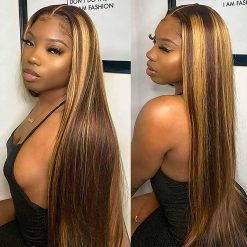
HD lace wigs
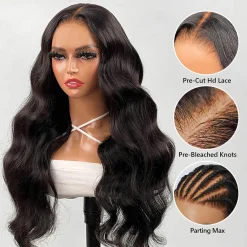
Pre-bleached Knots Straight HD Lace Frontal Wig 180% Density 6×5 Pre-cut Lace Wear & Go Glueless Wig

HD lace wigs



HD lace wigs
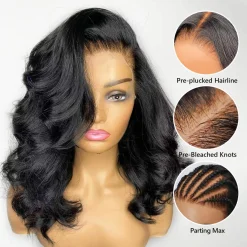
Glueless Straight Short Bob Wigs Brazilian Clear Lace 180% Density Hd Closure Wig Human Hair

HD lace wigs

Many homes use:
- warm yellow bulbs;
- ceiling lights;
- indirect lighting.
These light sources reduce contrast.
Small imperfections become less noticeable.
Sunlight is different.
Natural daylight contains a wider range of wavelengths.
It creates:
- stronger shadows;
- clearer texture;
- more visible reflection;
- sharper contrast.
This means sunlight can reveal:
- lace edges;
- unnatural shine;
- uneven density;
- incorrect hair direction.
This does not mean sunlight is your enemy.
Actually, testing your wig in daylight is one of the best ways to improve your installation.
Think of it like trying on foundation makeup near a window.
The bathroom mirror may say:
“Perfect.”
The window may say:
“Almost perfect, but adjust this area.”
That information helps.
The Four Main Reasons Your Wig Looks Unnatural in Sunlight
Reason One: The Hairline Does Not Match Natural Growth Patterns
The human eye is extremely sensitive to hairlines.
We may not consciously analyze them.
But our brain recognizes patterns quickly.
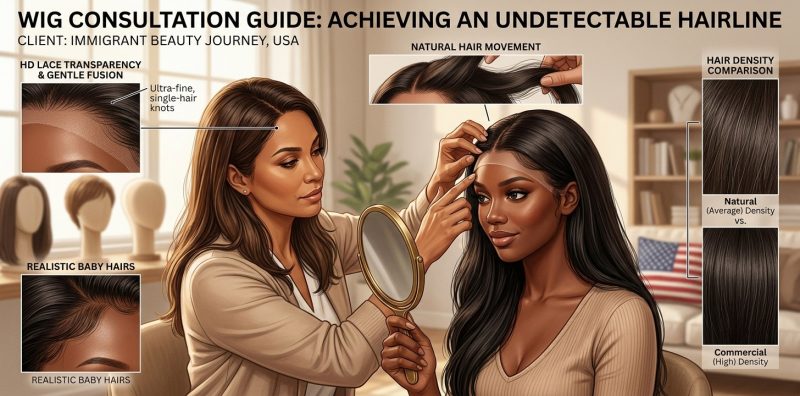
A natural hairline is not perfectly straight.
Real hair grows with:
- different densities;
- small variations;
- irregular edges;
- softer transitions.
One of the biggest reasons a wig looks unnatural outdoors is a hairline that appears too “designed.”
Common signs:
- hairline is too dense;
- front edge is too straight;
- baby hairs look identical;
- knots are too visible.
A realistic lace front wig works because the lace creates the illusion that hair grows from the scalp.
But the illusion depends on several technical details.
HD Lace: Why It Helps, But Is Not Magic
HD lace is popular because it is thinner and more transparent than traditional lace.
It allows more of the scalp color underneath to show through.
But many beginners misunderstand HD lace.
They think:
“HD lace automatically disappears.”
Not exactly.
The final appearance depends on:
- lace color;
- skin tone match;
- adhesive application;
- installation angle;
- lighting;
- customization.
Even premium lace can become noticeable if:
- too much adhesive creates shine;
- lace is not blended properly;
- foundation color does not match;
- the hairline is too dense.
The lace is only one part of the equation.
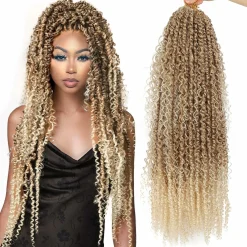
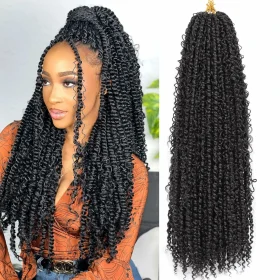

Synthetic Extensions


Synthetic Extensions


Synthetic Extensions
Synthetic Extensions


Reason Two: Wig Density Is Too High for Your Face and Lifestyle
Many women choose wigs based only on volume.
They see a photo with extremely thick hair and think:
“That looks beautiful.”
And sometimes it does.
But natural hair has proportion.
The amount of hair should work with:
- face shape;
- shoulder width;
- personal style;
- age;
- daily environment.
A wig that is too dense may look impressive indoors but artificial under sunlight.
Why?
Because sunlight shows the relationship between:
- hair volume;
- scalp visibility;
- movement.
Natural hair usually has areas where:
- the scalp slightly appears;
- density changes;
- strands move independently.
A wig with excessive density everywhere can create a “helmet effect.”
The goal is not maximum hair.
The goal is believable hair.
Reason Three: The Hair Texture Does Not Move Naturally
Sunlight does not only reveal appearance.
It reveals movement.
This is where synthetic wig, human hair wig, and hair extensions behave differently.
Synthetic wigs are made from artificial fibers.
They can hold styles well, but sunlight may reveal:
- unusual shine;
- fixed movement;
- less natural texture response.
Human hair wigs behave more similarly to natural hair because real hair responds to:
- humidity;
- movement;
- styling.
However, even human hair wigs need proper customization.
For example:
A straight human hair wig with too much product may appear stiff.
A body wave wig brushed incorrectly may lose its natural pattern.
A deep wave texture may look unnatural if curls are separated too aggressively.
The material matters.
The styling matters even more.
The Four Main Reasons Your Wig Looks Unnatural in Sunlight (Continued)
Reason Four: The Installation Method Creates Visible Details
A beautiful wig can still look unnatural if the installation does not work with the person wearing it.
This is something many women discover after trying wigs for the first time.
They buy a lace front wig.
The hair itself is beautiful.
The lace is high quality.
But after stepping outdoors, something feels slightly off.
Usually, the issue is not the wig.
It is the relationship between:
- the lace;
- the scalp;
- the adhesive;
- the hairline;
- the styling.
A wig installation is similar to applying makeup.
A foundation shade may be perfect, but if it is not blended into the skin, the result does not look natural.
The same idea applies to lace.
Adhesion Problems: When The Wig Attachment Becomes Visible
Adhesion is an important part of lace front wig wear.
It affects:
- security;
- comfort;
- hairline appearance.
But too much adhesive can create problems.
Common mistakes:
Applying Too Much Glue
Many beginners think:
“More adhesive means a more secure hold.”
Not always.
Too much adhesive may create:
- white residue;
- shiny areas;
- uneven lace texture.
Under sunlight, those details become easier to notice.
A better approach:
Use thin layers.
Allow each layer to become tacky before adding another.
The goal is not a thick barrier.
The goal is a smooth transition between lace and skin.
Incorrect Lace Placement
Another common issue is placing the lace too far forward.
A natural hairline usually has a small transition area.
When lace is positioned incorrectly:
- the forehead may appear smaller;
- the hairline may look too sharp;
- the wig may appear like it is sitting on top of the head.
The most natural placement usually follows your own facial proportions.
HD lace wigs
Pre-bleached Knots Straight HD Lace Frontal Wig 180% Density 6×5 Pre-cut Lace Wear & Go Glueless Wig
HD lace wigs
HD lace wigs
Glueless Straight Short Bob Wigs Brazilian Clear Lace 180% Density Hd Closure Wig Human Hair
HD lace wigs
Four “Giveaway” Dimensions That Make a Wig Look Fake in Sunlight
When women say:
“My wig looks fake outside.”
They are usually noticing one or more of these four areas.
Dimension One: Hairline Realism
The hairline is where the brain decides:
“Is this growing naturally?”
A realistic hairline usually has:
- irregular density;
- soft edges;
- natural baby hairs;
- proper direction.
A less natural hairline often has:
- a straight line;
- equal density everywhere;
- hair all pointing forward.
Professional customization can improve this.
Small adjustments:
- plucking excessive density carefully;
- adjusting baby hairs;
- changing the part;
- adding realistic direction.
However, over-plucking creates another issue.
The hairline can become too thin.
The goal is balance.
Dimension Two: Lace Visibility Under Direct Sunlight
Many women test their wig indoors.
But outdoor testing is different.
Sunlight can reveal:
- lace color mismatch;
- adhesive shine;
- visible edges;
- poor blending.
A simple daylight check:
- Stand near a window.
- Check from different angles.
- Look upward and downward.
- Take natural photos without filters.
The goal is not perfection.
The goal is consistency.
Your wig should look believable from normal viewing distances.
Dimension Three: Hair Density and Volume Balance
Density is one of the most underestimated factors.
A wig can have beautiful hair but still feel unnatural because the amount of hair does not match the wearer.
For example:
A petite woman wearing an extremely high-density 30-inch wig may create a different visual balance compared with someone with a larger frame.
Neither is wrong.
The question is:
Does the hair look like it belongs?
A natural wig usually has:
- movement;
- weight;
- realistic fullness.
A wig that is too thick may stay in one shape instead of moving naturally.
Dimension Four: Hair Texture, Shine, and Movement
Sunlight is especially revealing for texture.
Different materials behave differently.
Synthetic Wig Considerations
Synthetic wigs can be convenient because they often maintain their original style.
However, some synthetic fibers may reflect light differently from human hair.
Under strong sunlight, they may appear:
- shinier;
- more uniform;
- less flexible.
Human Hair Wig Considerations
Human hair usually reflects light more naturally.
But it still requires care.
Dry human hair can also look unnatural.
Why?
Because healthy hair has balanced reflection.
Damaged or coated hair can create uneven shine.
This is why maintenance matters as much as material.
Real Case Study One: “My Wig Looked Perfect Until I Went Outside”
Sarah’s Story: The Hidden Lace Problem
Sarah purchased a long straight lace front wig before attending outdoor events with friends.
Inside her apartment, she loved it.
The hair looked smooth.
The part looked natural.
The style photographed beautifully.
But during her first outdoor event, she noticed something uncomfortable.
When sunlight hit the front of her wig, she felt like people could see the lace.
She became self-conscious.
Her first thought:
“I chose the wrong wig.”
But after reviewing the installation, the issue was not the hair.
The problem was:
- adhesive was applied too thickly;
- lace was not fully blended;
- the front area had too much density.
The solution was simple:
She adjusted the adhesive technique.
She softened the hairline.
She slightly reduced density around the front.
The same wig looked completely different.
The lesson:
A natural wig is not only about buying the right hair.
It is also about creating the right relationship between the wig and your features.
Real Case Study Two: “The Hair Was Beautiful, But It Did Not Look Like Me”
Maya loved glamorous hairstyles.
She chose a very full, long wave wig because she admired the volume.
The hair itself was beautiful.
But outside, she felt something was missing.
The problem was not quality.
The problem was proportion.
The density was much higher than her natural appearance.
The wave pattern was also too uniform.
Together, those details created a style that looked more like a hairstyle for a photoshoot than her everyday life.
She made several changes:
- chose a slightly lighter density;
- softened the wave pattern;
- adjusted the part placement;
- added more natural movement.
The result was not less beautiful.
It was simply more believable.
This is an important lesson:
The most natural wig is not always the biggest or most dramatic.
It is the one that feels connected to the person wearing it.
A Professional Sequence: How To Make Your Wig Look More Natural in Sunlight
Step 1: Always Check Your Wig in Natural Light
Before leaving home:
Check near a window.
Then check outside if possible.
Look for:
- lace visibility;
- unnatural shine;
- density;
- movement.
Indoor lighting should not be the only test.
Step 2: Customize the Hairline Carefully
Small changes often create the biggest improvement.
Consider:
- adjusting baby hairs;
- creating natural direction;
- softening excessive density.
Avoid removing too much hair.
A realistic hairline still needs enough density to look healthy.
Step 3: Match the Lace and Adhesive Correctly
A natural lace appearance depends on:
- correct lace shade;
- proper adhesive amount;
- clean application.
Too much product can become visible.
Too little may affect security.
Balance matters.
Step 4: Choose Texture Based on Your Lifestyle
Ask yourself:
Do I want:
- low-maintenance?
- natural movement?
- dramatic volume?
- everyday comfort?
A bob wig, for example, may be easier for someone who wants a polished daily style with less friction.
A longer human hair wig may offer more styling flexibility but requires more maintenance.
Synthetic Extensions
Synthetic Extensions
Synthetic Extensions
Synthetic Extensions
Choosing a Wig That Looks Natural Outdoors
A common mistake many women make is choosing a wig only by how it looks in a product photo.
A photo can show:
- beautiful waves;
- perfect volume;
- a polished hairstyle.
But everyday life is different.
Your wig will experience:
- sunlight;
- movement;
- wind;
- different angles;
- conversations face-to-face.
The best choice is usually the one that fits your real routine.
Not just the one that looks impressive for a moment.
Synthetic Wig vs Human Hair Wig: Which Looks More Natural in Sunlight?
This is one of the most searched questions from women beginning their wig journey.
The answer depends on what you value most.
Synthetic Wig
Synthetic wigs have improved significantly.
They can be a practical option because they often:
- hold their original style;
- require less daily styling;
- are convenient for occasional wear.
However, sunlight can sometimes reveal differences.
Some synthetic fibers may:
- reflect light differently;
- have a more uniform appearance;
- move less naturally.
This does not mean synthetic wigs cannot look good.
It means they have a different personality.
Human Hair Wig
Human hair wigs usually offer more natural movement because real hair responds to:
- air;
- humidity;
- styling;
- touch.
They can be:
- curled;
- straightened;
- restyled.
However, human hair also requires more care.
A dry or poorly maintained human hair wig may look less natural than a well-maintained synthetic wig.
The material matters.
The maintenance matters just as much.
Why Bob Wigs Often Look Naturally Balanced Outdoors
A bob wig has become a favorite style for many women because it naturally avoids some common outdoor wig challenges.
A shorter length usually means:
- less friction;
- easier movement;
- simpler styling;
- less weight.
A well-cut bob wig can create a very natural silhouette because the shape follows the head and face more closely.
For women who want a polished everyday style without spending a long time maintaining longer hair, exploring different bob wig options can be helpful.
Why Hair Extensions Have Similar Sunlight Challenges
Many women compare wigs with hair extensions because both involve adding hair to create a different look.
The same principles apply:
- the attachment area matters;
- blending matters;
- texture matching matters.
With extensions, the goal is making added hair disappear into natural hair.
With wigs, the goal is making the wig feel connected to your face and scalp.
In both cases, sunlight reveals transitions.
A good blend is not obvious.
It simply looks like hair.

How To Choose a Wig Based on Your Real Life
If You Wear a Wig Every Day
Prioritize:
- comfortable construction;
- natural hairline;
- manageable length;
- easy styling.
A lace front wig with a realistic hairline can provide flexibility because the front area allows more styling options.
MsAloe’s lace wig collection can be used as a reference when comparing different lace constructions, textures, and lengths based on daily wearing needs:
https://www.msaloe.com/category/wigs
If You Want the Most Natural Straight Style
Straight textures often work well for women who prefer:
- clean appearance;
- simple maintenance;
- effortless styling.
A straight HD lace frontal wig combines a realistic lace area with a smooth texture that can work well for everyday styling when properly installed.
Example:
If You Prefer Soft Movement and Volume
Body wave textures are popular because they create movement without requiring a very structured curl pattern.
However, maintaining a natural wave requires:
- gentle brushing;
- proper moisture;
- avoiding excessive heat.
Example:
FAQ: Why Does My Wig Look Unnatural in Sunlight?
Why does my wig look fake outside but natural indoors?
Indoor lighting is softer and hides small details.
Sunlight reveals:
- lace edges;
- shine;
- density;
- texture.
Checking your wig outdoors helps you make small adjustments.
Can HD lace still be visible in sunlight?
Yes.
HD lace is thinner and more transparent, but the final result depends on:
- skin tone matching;
- installation;
- adhesive;
- lighting.
Even high-quality lace needs proper blending.
Why does my wig have too much shine outdoors?
Possible reasons:
- synthetic fiber reflection;
- product buildup;
- dry hair texture;
- excessive styling products.
Try reducing heavy products and maintaining moisture balance.
How do I make my wig hairline look more natural?
Focus on:
- softening density;
- creating natural baby hairs;
- matching lace color;
- avoiding a perfectly straight hairline.
Small imperfections often look more realistic.
Is a more expensive wig always more natural-looking?
Not necessarily.
A natural appearance depends on:
- construction;
- customization;
- installation;
- maintenance;
- choosing the right style for your features.
A well-matched wig often looks better than a more expensive wig that does not suit your lifestyle.
A Friendly Reminder Before You Step Into the Sun
There is something interesting about wearing wigs.
At first, many women focus on hiding the fact that they are wearing one.
They worry:
“Can people tell?”
But over time, many discover a different perspective.
The goal is not to create something nobody can ever notice.
The goal is to create a style that feels natural, comfortable, and connected to you.
Hair has always been part of how people express themselves.
Sometimes we change it because we want something new.
Sometimes we change it because life changes.
Sometimes we simply want a little more freedom in our mornings.
A good wig should not make you feel like you are constantly checking yourself.
It should become part of your routine.
The small details matter:
A softer hairline.
A better texture match.
The right density.
A little patience with installation.
A little care with maintenance.
Those details are what make a wig feel less like something placed on your head and more like something that belongs with you.
The sunlight is not the enemy.
It is simply showing you where your wig can become even more natural.
Related Wig Care Resources
For readers who want to continue learning about wig maintenance, styling, and choosing the right construction, MsAloe’s educational blog resources can provide additional guidance: www.msaloe.com/blog
