
Why Does My Wig Get Frizzy? The Real Reasons Your Wig Loses Its Smooth Texture and How to Fix It
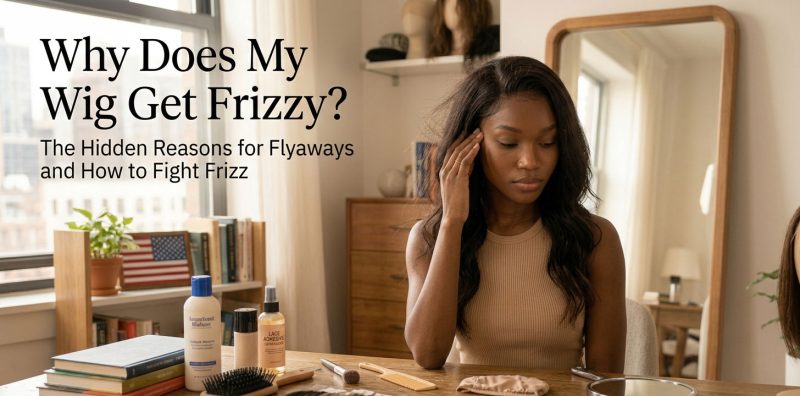
Why Does My Wig Get Frizzy?
Why does the wig you carefully styled in your bedroom sometimes turn into a completely different hairstyle the moment you step outside?
You smooth the waves.
You fix the part.
You spend those extra few minutes making everything look natural.
Then the weather changes.
The humidity rises.
You arrive at work, look in the mirror, and wonder:
“Why does my wig suddenly look dry, puffy, and impossible to control?”
It is one of the most frustrating moments many wig wearers experience.
Especially when the wig looked beautiful when it was new.
A woman once told me:
“I thought I bought the wrong wig. The first week it looked like the picture. A month later, it looked tired.”
But after examining the wig, I found something interesting.
The wig itself was not the problem.
Her expectations were.
She was caring for her wig like natural hair growing from her scalp.
And that is a very understandable mistake.
After all, we are taught how to care for our own hair.
We know when our hair feels dry.
We know when it needs oil.
We know when a haircut is overdue.
A wig works differently.
A wig is hair, but it does not have a living scalp.
It does not receive natural oils.
It does not repair itself.
The beautiful movement of a wig depends on:
- the quality of the fibers;
- the condition of the cuticle layer;
- moisture balance;
- styling habits;
- storage;
- weather conditions.
The good news?
Most frizzy wig problems can be understood and improved.
You do not always need to replace your wig.
Sometimes, your wig is simply asking for a different kind of care.
What Actually Causes Wig Frizz? Understanding Hair Fiber Behavior
Many people describe frizz as:
“My wig feels dry.”
But dryness is only one piece of the puzzle.
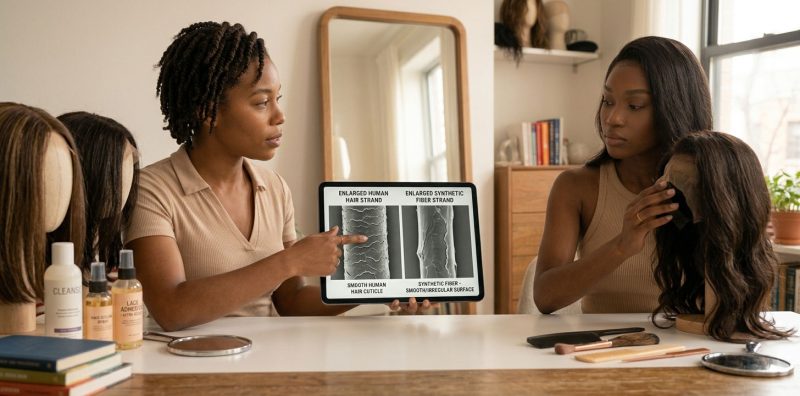
Frizz happens when individual fibers stop sitting smoothly together.
Instead of reflecting light evenly, the surface becomes irregular.
The result is:
- fuzzy texture;
- uneven movement;
- expanded volume;
- rough-looking ends.
The cause depends heavily on whether you are wearing:
- a human hair wig;
- a synthetic wig;
- a lace front wig;
- a bob wig;
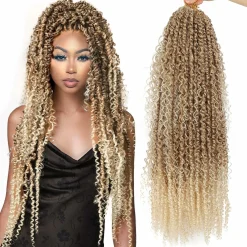
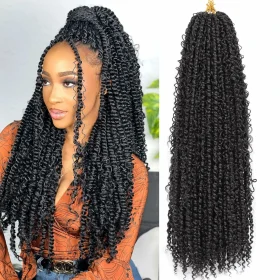
- protective styles such as Boho Hair, Passion Twist Hair, or Faux Locs Hair.
Each one has its own personality.
Human Hair Wig Frizz: The Science Behind Dry, Rough Texture
A human hair wig contains real human hair.
That means each strand has:
- cuticle layer;
- cortex;
- natural protein structure.
The cuticle is the outer protective layer of the hair strand.
Think about it like the tiny overlapping tiles on a roof.
When the tiles lie flat, the surface feels smooth.
When they become lifted or damaged, the hair becomes more vulnerable.
This is why some human hair wigs become frizzy after:
- repeated heat styling;
- chemical processing;
- excessive coloring;
- harsh brushing;
- incorrect washing.
The Role of Hair Porosity in Wig Frizz
One professional term that explains many wig problems is:
porosity.
Hair porosity describes how easily hair absorbs and loses moisture.
Low-porosity hair:
- has tighter cuticles;
- absorbs moisture slowly;
- usually feels smoother.
High-porosity hair:
- has raised or damaged cuticles;
- absorbs moisture quickly;
- loses moisture quickly;
- becomes frizzy more easily.
This is why two human hair wigs can react completely differently in the same weather.
One stays smooth.
The other expands.
The difference is often the condition of the hair structure.
Why Wig Ends Usually Become Frizzy First
Have you noticed that the roots of your wig often still look good while the ends look rough?
That is not an accident.
The ends experience the most stress.
They are exposed to:
- clothing friction;
- brushing;
- heat tools;
- environmental dryness.
They are also the oldest part of the hair.
For this reason, many professional wig stylists focus treatment on the mid-lengths and ends rather than applying heavy products everywhere.
Synthetic Wig Frizz: Why Artificial Fibers Need Different Care
Synthetic wigs are popular because they are convenient and often maintain their original shape well.
But synthetic fibers are not the same as human hair.
They are manufactured materials designed to imitate hair movement.
The surface of a synthetic fiber depends on its polymer structure.
When that structure is damaged, the texture changes.
Common causes include:
- excessive heat;
- friction;
- improper products;
- rough storage.
Heat Damage and Synthetic Fiber Structure
One of the biggest synthetic wig mistakes is using heat without knowing the fiber type.
A regular curling iron may be safe for some human hair wigs.
But it can permanently damage many synthetic wigs.
Why?
Because synthetic fibers have a specific heat tolerance.
When exposed to excessive temperatures:
- the surface can become rough;
- the fiber may lose its original pattern;
- the strands may become stiff;
- frizz may become permanent.
Heat-resistant synthetic wigs are designed to tolerate some styling temperatures, but they still have limits.
A heat-resistant fiber is not the same as unlimited heat protection.
The Four Hidden Reasons Your Wig Gets Frizzy
When someone asks:
“Why does my wig get frizzy?”
I usually do not look at only the hair.
I look at four areas.
Because frizz is often a symptom, not the original problem.
Reason 1: Humidity Changes the Hair’s Moisture Balance
Many wig wearers notice:
“My wig looks perfect indoors but changes outside.”
Weather is often the reason.
Humidity affects hair differently depending on the fiber.
Human hair can absorb moisture from the air.
When moisture enters unevenly:
- curls become larger;
- waves lose definition;
- straight styles become fluffy.
This is especially noticeable with:
- curly human hair wigs;
- Burmese Curl hair;
- deep wave textures;
- loose wave styles.
Curly hair is designed to move.
The goal is not to eliminate every movement.
The goal is controlled texture.
Reason 2: Friction Slowly Damages the Surface
Sometimes the biggest enemy is not your styling routine.
It is your daily environment.
Think about:
- sleeping on cotton pillowcases;
- wearing rough scarves;
- rubbing hair against jackets;
- storing wigs without protection.
Small friction repeated hundreds of times creates visible changes.
The surface becomes rougher.
The ends become weaker.
The hairstyle loses definition.
Small habits matter.
Reason 3: Product Buildup Creates Heavy, Uneven Texture
This is one of the most common problems I see.
A woman notices frizz.
She adds:
- oil;
- serum;
- cream;
- conditioner spray.
The intention is good.
But sometimes the result is the opposite.
Too much product creates layers on the fiber surface.
The wig may become:
- sticky;
- heavy;
- difficult to reshape;
- shiny in some areas and dry in others.
A wig does not need more products.
It needs the right products.
Reason 4: Incorrect Styling Changes the Original Texture
Every wig texture has a design.
A curly wig wants to stay curly.
A wave pattern wants movement.
A bob wig needs structure.
When we repeatedly force a texture into another shape, problems appear.
Examples:
- brushing curls too aggressively;
- straightening waves repeatedly;
- using high heat on synthetic fibers.
Sometimes the best solution is respecting the original design.

HD lace wigs
Glueless Straight Short Bob Wigs Brazilian Clear Lace 180% Density Hd Closure Wig Human Hair
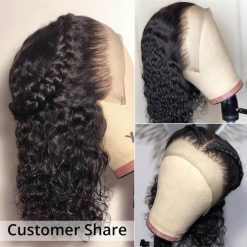
13x6 Lace Front Human Hair Wig
Real Case Study #1: The Human Hair Wig That Looked “Damaged” But Was Actually Over-Moisturized
One of the most interesting things about wig consultations is discovering that the visible problem is not always the real problem.
A client named Maya came to me after wearing her body wave human hair wig for about six weeks.
When she arrived, she immediately apologized.
She said:
“I think I ruined it. The wig looked beautiful when I first bought it, but now the ends are frizzy and the waves do not stay together anymore.”
She expected me to tell her that the hair quality had declined.
But after examining the wig, I noticed something different.
The hair was not severely damaged.
The cuticle condition was still relatively healthy.
The main issue was her daily routine.
The First Problem: Treating Wig Hair Like Scalp Hair
Maya had naturally curly hair, so she was used to maintaining moisture every day.
Her routine included:
- leave-in conditioner every morning;
- curl cream;
- hair oil;
- refreshing spray.
For natural hair attached to the scalp, this approach can make sense.
Your scalp produces natural oils.
Your hair receives continuous nourishment.
A wig does not.
A human hair wig needs moisture, but it also needs balance.
Too much product can create a coating around the strands.
This changes:
- movement;
- texture;
- volume;
- curl definition.
The hair was not thirsty.
It was overwhelmed.
The Correction Process
We adjusted her routine into a simpler system.
Week 1: Remove buildup
She used a gentle cleansing routine to remove excess product.
The focus was not aggressive washing.
The goal was restoring the natural feel of the hair surface.
Week 2: Repair the ends
Instead of applying products everywhere, she focused on:
- mid-lengths;
- ends;
- areas exposed to friction.
Week 3: Change brushing habits
She stopped brushing through the waves repeatedly.
Instead:
- she separated curls with her fingers;
- detangled from the bottom upward;
- reshaped the waves instead of flattening them.
After several weeks, she told me:
“I thought I needed a new wig. I actually needed a new routine.”
This is a lesson many wig wearers discover:
Sometimes the wig is not failing.
The maintenance method simply needs adjustment.
Real Case Study #2: The Synthetic Lace Front Wig That Changed After One Styling Session
Another client, Jasmine, loved experimenting with hairstyles.
She enjoyed changing her look depending on:
- work;
- weekends;
- events;
- holidays.
She purchased a synthetic lace front wig with soft curls.
At first, she loved it.
The curls had memory.
The style was easy.
The hair moved naturally.
Then she decided to refresh the curls before a dinner event.
She used a curling wand.
Only briefly.
She thought:
“Just a few seconds should not matter.”
Unfortunately, synthetic fibers do not always forgive small mistakes.
What Happened Inside the Fiber?
The curling wand changed the structure of the synthetic strands.
The outside surface became rougher.
The original curl pattern weakened.
The result was:
- frizzy ends;
- uneven curls;
- stiff texture.
She tried fixing it with oil.
That made the problem worse.
Why?
Because oil cannot repair a synthetic polymer fiber.
It only creates another layer on top.
The Lesson From Jasmine’s Experience
Before styling any synthetic wig, always confirm:
- Is it heat-resistant?
- What temperature range is recommended?
- Is the fiber designed for restyling?
A synthetic wig is not “fake hair.”
It is a carefully engineered fiber.
It has rules.
Understanding those rules helps you enjoy the style longer.

Wig Frizz Diagnosis Guide: Find the Real Cause Before Fixing It
Before changing products or replacing your wig, try this professional diagnosis method.
The same symptom can come from completely different causes.
| What You Notice | Possible Cause | What Usually Helps |
| Dry, fuzzy ends | Cuticle damage or friction | Trim ends, reduce heat, improve conditioning |
| Hair becomes bigger outdoors | Humidity imbalance | Use proper moisture control and avoid overloading products |
| Wig feels sticky | Product buildup | Gentle cleansing and lighter styling products |
| Synthetic hair feels rough after styling | Heat damage | Avoid more heat, restore shape or replace fiber |
| Curls lose definition | Over-brushing or wrong products | Finger styling and texture-specific care |
| Frizz around lace area | Product residue or installation issues | Clean hairline area and adjust styling routine |
| Hair tangles at the back | Friction from clothing | Reduce rubbing and improve storage |
| Bob wig looks bulky | Excess density or poor shaping | Adjust layers and volume |
This simple checklist helps answer the question:
“Why does my wig get frizzy?”
without guessing.
Why Lace Front Wigs Can Look Frizzy Even When the Hair Is Fine
Many people blame the hair texture first.
But with a lace front wig, realism comes from the entire construction.
A natural-looking result depends on:
- hair fiber;
- lace quality;
- hairline design;
- density;
- installation.
A wig can have beautiful hair but still look messy if the front area is not maintained properly.
Hairline and Frizz: The Front Area Gets the Most Attention
The hairline is where the wig meets your face.
That transition creates realism.
Natural hairlines are not perfectly straight.
They have:
- irregular growth patterns;
- different densities;
- small baby hairs;
- soft transitions.
When frizz appears near this area, it can make the lace more noticeable.
Common causes:
Too much product near the lace
Heavy oils and creams may create buildup.
This can affect:
- lace appearance;
- cleanliness;
- adhesive performance.
Overworking baby hairs
Baby hairs should look soft.
Too much manipulation can create a stiff or messy appearance.
HD Lace and Frizz: Why Material Choice Matters
HD lace is designed to be thinner and more delicate.
Because of this, many wearers choose it when they want a more natural-looking scalp appearance.
But delicate lace requires careful handling.
Avoid:
- aggressive brushing near the lace;
- pulling tangled hair from the front;
- applying unnecessary product directly onto the lace.
The hairline area should receive gentle treatment.
Adhesion Problems Can Make a Wig Look Messier
Some people think a messy lace area means:
“The wig quality is bad.”
Sometimes the issue is installation.
Adhesion depends on:
- clean skin;
- clean lace;
- correct adhesive amount;
- proper removal.
Too much adhesive can create residue.
Too little can create lifting.
Both situations can affect how the hairline appears.
Learning the basics of lace preparation and installation can help many wearers avoid common problems with wig blending and daily maintenance.
Bob Wig Frizz: Why Short Styles Require More Precision
A bob wig is one of those styles that looks simple but requires careful balance.
Because the hair is shorter, every detail becomes visible.
A long wave can hide small imperfections.
A bob cannot.
Common Bob Wig Problems
A bob wig may look frizzy because:
- the ends are too dry;
- the cut shape is uneven;
- the density is too high;
- heat styling has damaged the ends.
A natural bob usually has:
- movement;
- soft edges;
- balanced volume.
It should frame the face.
It should not look like a solid helmet shape.
Boho Hair, Passion Twist Hair, and Faux Locs Hair: Frizz Is Part of the Texture Conversation
Protective styles require a different understanding of beauty.
For styles like:
- Boho Hair;
- Passion Twist Hair;
- Faux Locs Hair;
- Braiding Hair;
the goal is not always maximum smoothness.
Texture creates realism.
Passion Twist Hair Maintenance
Passion Twist Hair looks beautiful because of:
- movement;
- softness;
- handmade variation.
Too much brushing destroys the twist structure.
Better methods:
- separate twists gently;
- refresh loose sections;
- avoid heavy oils.
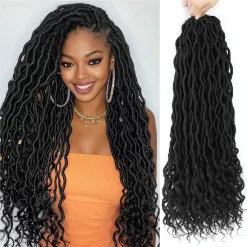
Faux Locs Hair Maintenance
Faux Locs naturally have texture.
The problem is not texture.
The problem is uncontrolled roughness.
Maintain them by:
- protecting them during sleep;
- reducing friction;
- avoiding excessive manipulation.
Boho Hair Maintenance
Boho styles often combine:
- braids;
- curls;
- loose pieces.
The loose curls need special attention.
Instead of brushing everything together:
- refresh curls individually;
- reshape with fingers;
- protect the style overnight.
Texture is what makes the style beautiful.
Do not remove the very thing that creates the look.


HD lace wigs
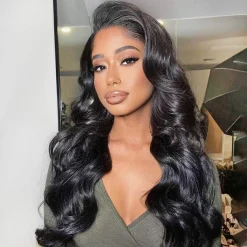
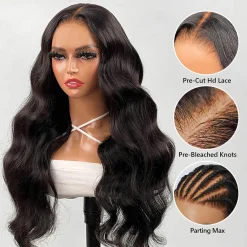
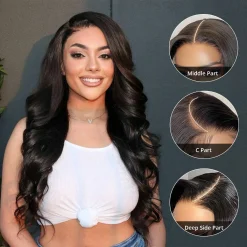
Pre-bleached Knots Straight HD Lace Frontal Wig 180% Density 6×5 Pre-cut Lace Wear & Go Glueless Wig
HD lace wigs

HD lace wigs
Glueless Straight Short Bob Wigs Brazilian Clear Lace 180% Density Hd Closure Wig Human Hair
HD lace wigs
How to Fix a Frizzy Wig: A Professional Step-by-Step Repair Routine
When your wig becomes frizzy, the first instinct is usually:
“I need a new wig.”
But before making that decision, ask a different question:
“What changed?”
Because frizz usually appears after something changes.
Maybe:
- the weather became more humid;
- the wig was washed differently;
- styling habits changed;
- products built up;
- heat was used incorrectly.
A professional approach is not to immediately replace the wig.
It is to diagnose first.
Step 1: Identify Your Wig Type Before Treating It
The first question:
Is it human hair or synthetic?
This determines everything.
Human Hair Wig Repair Approach
For a human hair wig, focus on restoring balance.
The goal:
- improve softness;
- protect the cuticle;
- reduce friction;
- maintain natural movement.
A basic restoration routine:
1. Remove buildup gently
If the hair feels:
- coated;
- heavy;
- sticky;
a gentle cleansing routine may help.
Avoid aggressive washing.
Over-cleansing can create another problem by removing too much moisture.
2. Condition strategically
Apply conditioner mainly to:
- mid-lengths;
- ends.
Avoid applying heavy products directly to:
- lace;
- knots;
- hairline.
These areas need to remain clean for a natural appearance and better installation.
3. Reduce heat exposure
If your wig has been frequently straightened or curled:
give it a break.
Repeated heat can slowly change the texture.
Synthetic Wig Repair Approach
Synthetic wigs require a different mindset.
You are not repairing living hair.
You are maintaining a manufactured fiber.
Focus on:
- preserving the original shape;
- reducing friction;
- avoiding unnecessary heat.
If the fiber has been severely heat damaged, it may not return completely.
This is why prevention matters so much.
Step 2: Detangle Correctly to Prevent More Frizz
Many wig problems become worse during brushing.
The most common mistake:
Starting from the roots and pulling downward.
This creates tension.
A professional detangling method:
- Place the wig on a wig stand.
- Separate the hair into smaller sections.
- Hold the upper section gently.
- Start from the ends.
- Slowly move upward.
For curly or wavy textures:
Use your fingers first.
A comb should support the curl pattern, not destroy it.
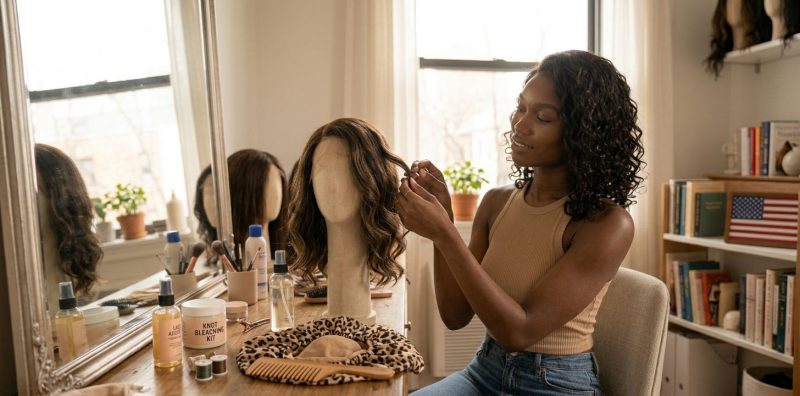
Step 3: Refresh the Texture Instead of Fighting It
Every wig has a personality.
A straight wig wants smooth movement.
A curly wig wants definition.
A Boho style wants softness and texture.
The goal is not to force every wig into a perfect, untouched appearance.
Natural hair itself is not perfectly controlled.
It moves.
It changes.
It responds to the environment.
A realistic wig should have the same feeling.
How Weather Changes Your Wig: Humidity, Winter Dryness, and Seasonal Frizz
Many wig wearers notice something confusing:
“My wig behaves differently depending on the month.”
That is completely normal.
The environment around your wig matters.
Summer Humidity and Wig Frizz
Humidity is one of the biggest challenges.
During humid weather:
- moisture levels in the air increase;
- human hair can absorb more water;
- curls may expand;
- waves may become less defined.
This is especially noticeable in areas with warm, humid climates.
Examples:
- Florida;
- Georgia;
- Texas.
During humid seasons:
Helpful habits include:
- avoiding excessive moisturizing products;
- protecting hair from unnecessary moisture exposure;
- choosing lightweight styling products.
Winter Dryness and Static Problems
Winter creates the opposite problem.
Cold air outside.
Dry heated air indoors.
This combination can make wigs feel:
- dry;
- rough;
- static-prone.
Common signs:
- flyaways;
- tangled ends;
- lack of softness.
Winter care focuses on:
- reducing friction;
- protecting ends;
- storing the wig properly.
A satin bonnet or silk storage method can make a noticeable difference.
Wig Frizz Prevention Checklist
A simple routine is often more effective than a complicated one.
Before Wearing Your Wig
Check:
- Is the hair tangled?
- Is the lace clean?
- Is the texture still defined?
- Does the hairline need adjustment?
During Daily Wear
Remember:
- avoid unnecessary touching;
- reduce friction from clothing;
- protect the hair from excessive humidity;
- avoid applying too many products.
After Wearing
Store properly:
- brush gently;
- place on a wig stand when possible;
- protect from dust;
- avoid direct heat exposure.
Choosing the Right Wig Construction Can Prevent Future Frizz Problems
Sometimes maintenance problems begin before you even wear the wig.
The construction matters.
Different women need different solutions.
For example:
A woman who exercises often may prefer a glueless option.
Someone who wants maximum styling flexibility may prefer a lace front or full lace design.
Someone who wants low-maintenance daily wear may prefer a style with a stable texture pattern.
Understanding wig construction can help you choose a style that fits your lifestyle rather than fighting against it.
Learning more about different lace types, installation methods, and maintenance techniques can also help you avoid common wig problems before they happen.
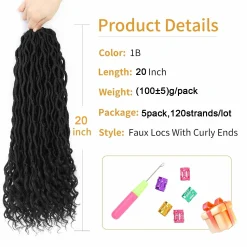
Synthetic Extensions


Synthetic Extensions
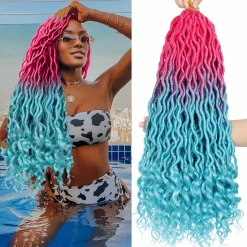
Synthetic Extensions
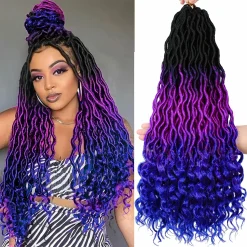
Synthetic Extensions
FAQ: Why Does My Wig Get Frizzy?
Why does my wig get frizzy after washing?
A wig may become frizzy after washing because of:
- rough handling;
- incorrect products;
- too much heat during drying;
- lack of proper conditioning.
For human hair wigs, focus on moisture balance.
For synthetic wigs, focus on fiber protection.
Why does my human hair wig become frizzy in humidity?
Human hair reacts to moisture in the environment.
When humidity enters the hair unevenly, the strands may expand and lose their smooth alignment.
This is especially common with:
- curly textures;
- wave patterns;
- processed human hair.
Can I fix a frizzy synthetic wig?
It depends on the cause.
If the issue is:
- dirt;
- buildup;
- tangling;
improvement is usually possible.
If the fiber has been damaged by excessive heat, the change may be permanent.
Why does my wig tangle and frizz at the back?
The back of the wig experiences more friction because it touches:
- clothing;
- collars;
- scarves;
- chair backs.
Reducing friction and improving storage can help.
How often should I wash my wig?
There is no single answer.
It depends on:
- how often you wear it;
- styling products used;
- environment;
- activity level.
Overwashing can create dryness.
Underwashing can create buildup.
The goal is balance.
Does fabric softener fix synthetic wig frizz?
Some people use household methods like fabric softener.
However, these methods are not designed specifically for wig fibers and may create unpredictable results.
A synthetic wig product designed for fiber care is usually a safer choice.
Why does my lace front wig look messy around the hairline?
Common reasons include:
- product buildup;
- adhesive residue;
- excessive baby hair styling;
- lace lifting.
The solution is usually improving installation and maintenance rather than changing the entire wig.
A Friend-to-Friend Reminder Before You Give Up on Your Wig
I have noticed something after years of talking with wig wearers.
The women who become happiest with wigs are not always the ones who buy the most expensive styles.
They are the ones who learn their wig’s personality.
They understand:
“This texture needs less brushing.”
“This fiber cannot handle high heat.”
“This style looks better when I stop trying to make it perfectly smooth.”
There is something very human about that.
We spend so much time trying to make everything look flawless.
But natural beauty rarely comes from perfection.
It comes from understanding.
Your wig does not need to look untouched.
It needs to look like it belongs with you.
A few adjustments.
A little patience.
A better routine.
Sometimes that is all it takes to bring back the style you loved when you first saw yourself wearing it.
Final Thoughts
A frizzy wig is not always a failed wig.
It is often a signal.
A signal that something about the care routine, environment, or styling method needs to change.
Whether you wear a synthetic wig, human hair wig, lace front wig, bob wig, or protective styles like Passion Twist Hair and Faux Locs Hair, the most natural results come from understanding the material.
Hair has structure.
Fibers have limits.
Texture has a purpose.
Once you understand those things, caring for your wig becomes much easier.
And eventually, your wig stops feeling like something you have to manage.
It becomes part of your everyday life.
